Built-Up Asphalt Roofs (BUR) for Akron commercial properties
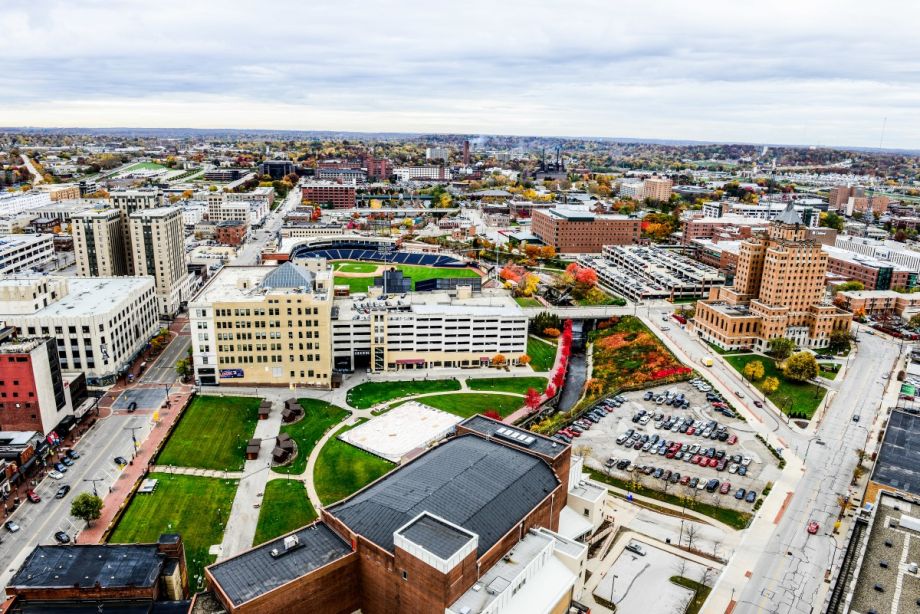
Built-up roofing is the original flat-roof system, and a lot of Akron is still wearing it. Walk the older industrial and commercial stock around Firestone Park, the Kenmore corridor, the warehouse rows off Arlington Road, or the institutional buildings near downtown and the University of Akron, and you will find roof after roof of gravel-surfaced built-up asphalt that was installed when these buildings went up in the mid-twentieth century. Done right, a BUR roof lasts a long time. The question we get called to answer is whether yours is reaching the end of that run or just needs the right repairs to keep going.
What a built-up roof actually is
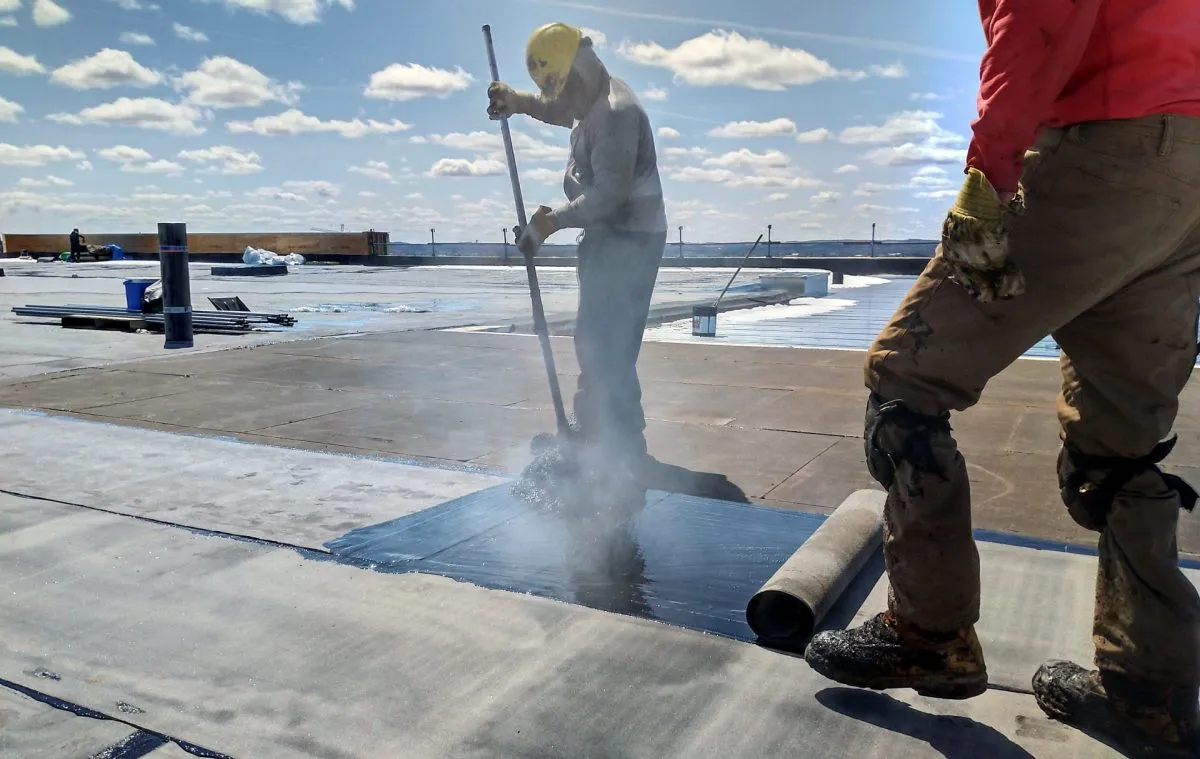
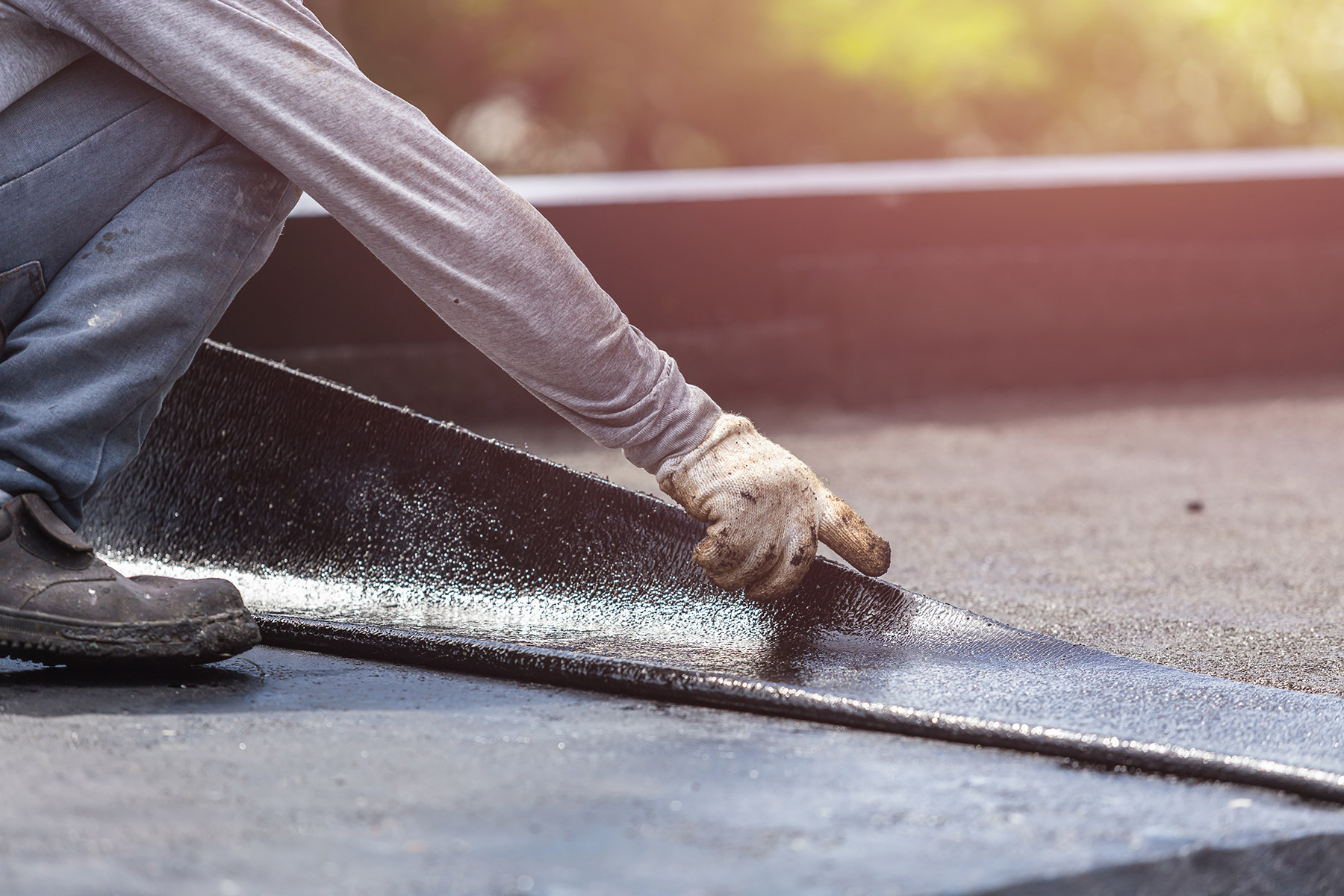
A built-up roof is exactly what the name says: layers built up on site. Crews alternate plies of roofing felt with mopped-in hot asphalt, usually three to five plies thick, to create a continuous laminated membrane. On most of Akron's older roofs that membrane is then topped with a flood coat of asphalt and a layer of gravel or slag. That gravel is not decoration. It shields the asphalt below from ultraviolet light, which is what dries out and cracks bitumen over time, and it adds fire and hail resistance. The whole assembly is heavy, redundant, and forgiving, which is why so many of these roofs have outlived the warranties they came with.
How they fail, and what we look for
BUR does not usually fail all at once. It fails at its edges and its details first. We start by looking at the things that move and the things that take water: the perimeter flashings and base flashings at parapet walls, the pitch pockets around old penetrations, the conditions at drains and scuppers, and the laps where the felt plies were turned up against curbs. Where the gravel has washed away or migrated, the exposed asphalt below dries out, alligators into a cracked pattern, and starts to admit water. Blisters form where moisture or solvent got trapped between plies during the original install and then expanded under summer heat. Ridging along the felt laps tells us the plies are moving. None of these are subtle once you know to look for them, and on a gravel roof a lot of them hide under the surfacing until we rake it back to check.
Moisture in the assembly changes everything
The single most important thing we determine on a built-up roof is whether water has gotten into the insulation and the deck beneath the membrane. A BUR membrane can look serviceable on top while the board underneath is saturated, and saturated insulation does not dry out on its own — it stays wet, it loses its R-value, it can corrode a steel deck or rot a wood one, and it keeps a slow leak alive no matter how many surface patches go down. Where the history or the conditions suggest trapped moisture, we confirm it with core cuts and, on larger roofs, with a thermal scan rather than guessing. The answer to the moisture question is what decides the entire repair-versus-replace conversation, so we settle it before we price anything.
Repair, recover, or replace
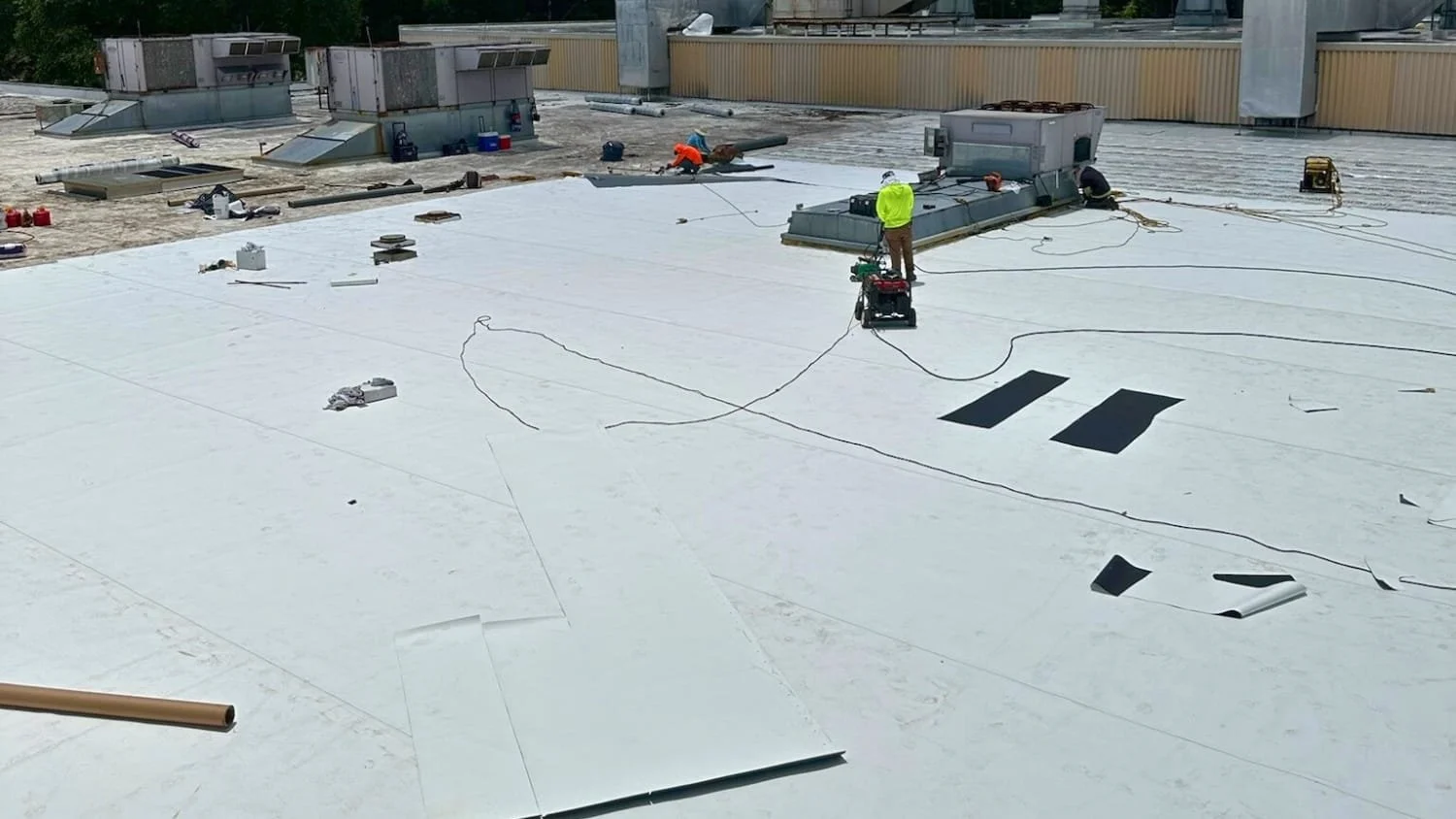
These are three different decisions and they hinge on what the investigation turns up. If the membrane is dry, the deck is sound, and the failures are confined to edges, flashings, and isolated blisters, a built-up roof is very repairable, and targeted repairs plus re-graveling bare areas can buy years of reliable service. When the surface is broadly worn but the assembly underneath is still dry, a recover is often the smart move: rather than tearing everything off, we install a new membrane over the existing BUR, which avoids the cost and disruption of a full tear-off and keeps the old roof working as part of the assembly. Recover is only honest when the substrate is dry and structurally sound, which is exactly why the moisture investigation comes first. Once the insulation is wet across the roof, the deck is compromised, or the slope has failed and water is ponding, a full tear-off and replacement is the defensible answer, because anything less just buries the real problem under new material.
What drives the cost in Akron
Tear-off of a multi-ply gravel roof is heavy, dirty work, and the gravel and saturated felt add real weight and disposal volume to the job, so the condition of the existing roof is the biggest cost lever. Beyond that, the practical drivers are the ones that show up on every commercial roof here: roof access and how we get loaded gravel and material up and debris down, fall protection at the edges, the amount of wet insulation that has to come out, tapered insulation if the slope needs correcting, drain and scupper rework, parapet coping and wall flashing condition, and whether the building stays occupied while we work. Northeast Ohio's freeze-thaw cycling and the ice that backs up at drains in a hard winter are hard on old BUR details, so we plan close-in around the forecast and never leave an open section sized larger than the weather window allows. We mark these drivers in the estimate so you can see why one roof prices differently than another rather than getting a flat per-square-foot number with the assumptions hidden.
Questions Owners Ask About Built-Up Roofs
My built-up roof is decades old. Does that mean it needs replacing?
Not by age alone. A well-built BUR roof that has been maintained and kept graveled can run a very long time. What matters is whether the assembly is dry and the deck is sound. We confirm that with core cuts and, on bigger roofs, a thermal scan before recommending anything, because a dry old roof is often worth repairing while a younger wet one may not be.
What is the difference between a recover and a full replacement?
A recover installs a new membrane over your existing built-up roof, which avoids tearing everything off and is far less disruptive and costly. It is only appropriate when the insulation underneath is dry and the deck is sound. A full replacement strips the roof down and rebuilds the assembly, which is the right call once moisture has gotten into the system or the deck is compromised. The moisture investigation is what tells us which one you are actually a candidate for.
What are the blisters and gravel-bare spots on my roof?
Blisters are pockets where moisture or solvent got trapped between the felt plies and expanded under heat — small stable ones can be left alone, but growing or cracked ones need attention before they open up. Bare spots where the gravel has washed off expose the asphalt to UV, which dries and cracks it, so re-graveling those areas is part of keeping a BUR roof alive. We document both during the inspection and tell you which ones are urgent.
Can you repair a built-up roof while the building stays open?
Usually, with the sequence planned around the building. We look at entrances, loading doors, roof access, the kettle and material staging, odor, and the weather window before recommending daytime, phased, or off-hours work. Hot-applied work in particular needs the right conditions and the right setup, and we plan for that up front.
How fast can you respond after a winter storm or hail event?
We triage active leaks first, especially anything dripping into occupied space, and separate temporary dry-in from permanent repair. Timing depends on access, weather, and crew load, but stopping water from entering the building comes ahead of the lasting fix. For storm work we document conditions as a contractor without promising a particular insurance outcome.