
Movie Theater & Cinema Roofing for Akron commercial properties
The roof over an auditorium is mostly empty air
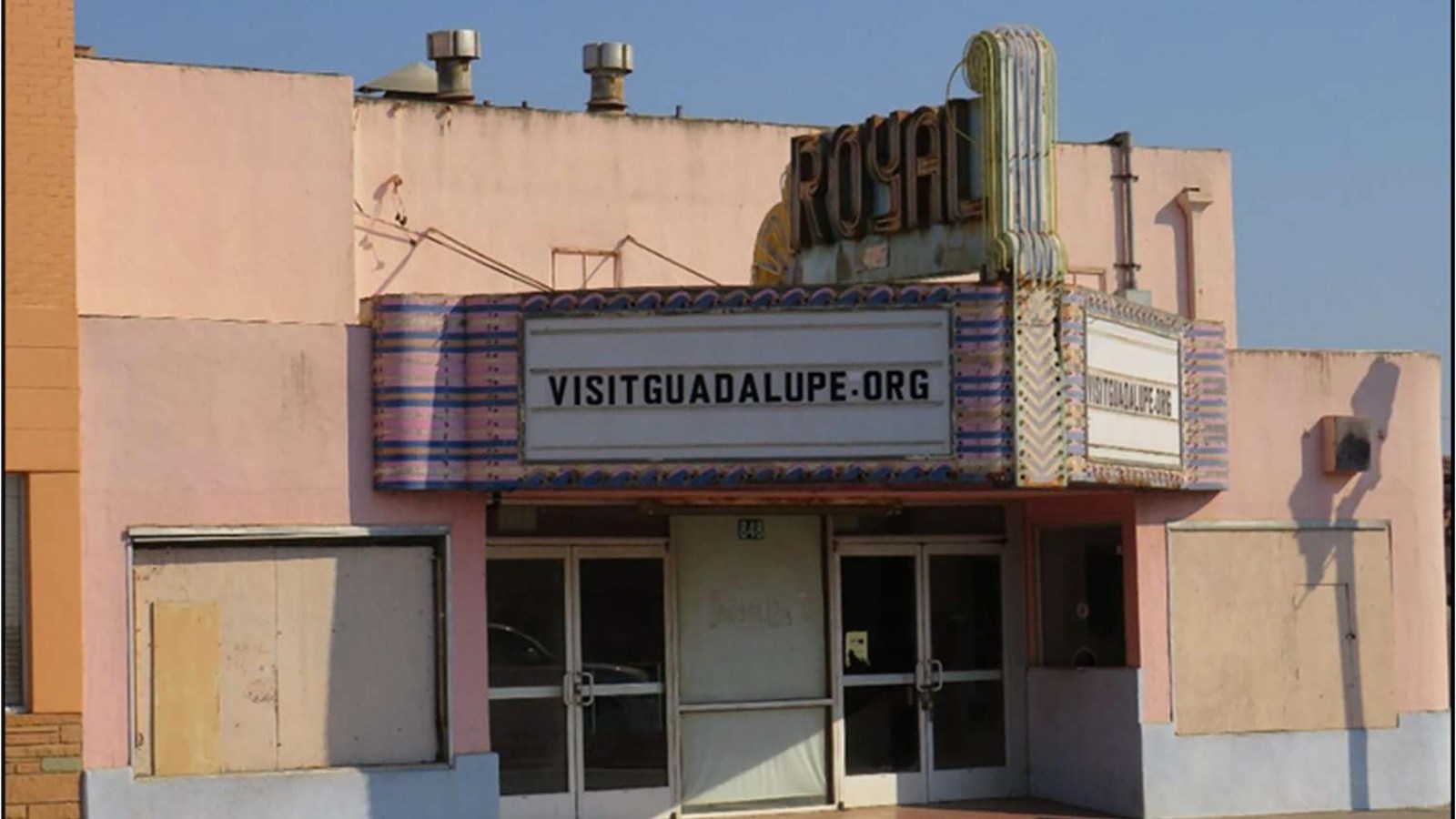
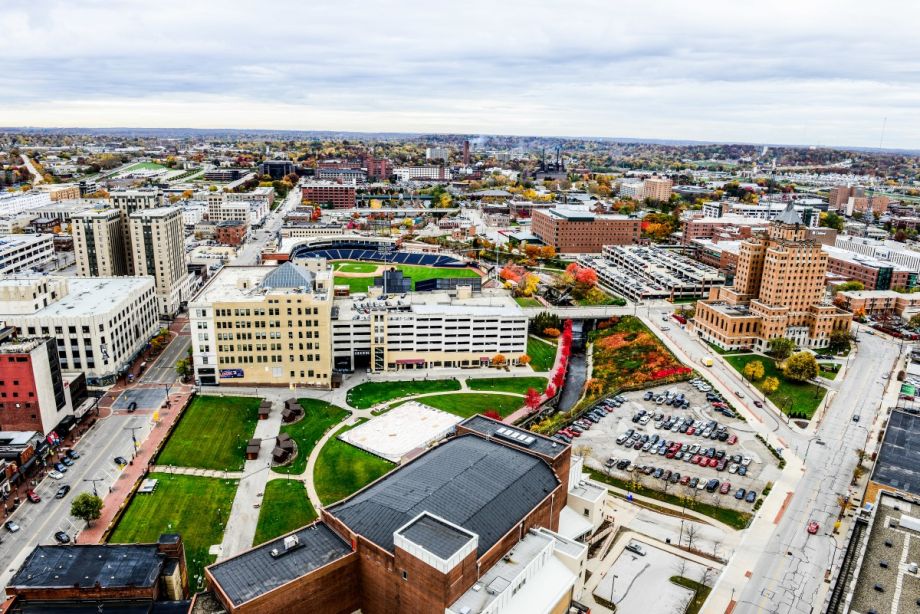
What makes a cinema roof different from any retail box is what's underneath it: a room 80 to 150 feet across with no columns in the middle. A twelve-screen multiplex is really a row of those rooms side by side, each one a long-span deck carrying its own deflection behavior. Akron's moviegoing has shifted over the years — the big-box multiplexes near the Chapel Hill and Montrose retail nodes draw the volume now, while a handful of independent and revival houses keep the older single-screen tradition alive downtown. Both kinds of building share the same structural reality up top, and neither one is served by a fastening pattern borrowed from a strip-mall detail.
Long spans flex, and that movement matters at the seams. We set fastener density and insulation attachment off the actual deck — rib depth, gauge, and span — rather than a one-size spec. On older steel deck with short ribs the pull-out values are lower than the deep 3-inch deck used in newer construction, and we test rather than assume.
Acoustics and the things bolted to the deck
Sound is part of the design on a cinema, and the roof is part of the sound. Heavy decking, the insulation mass, and the way penetrations are detailed all factor into keeping outside noise out and one auditorium's low end from bleeding into the next. When we open a roof on a working theater we're conscious that flanking paths through curbs and poorly sealed penetrations can undo the acoustic separation the building was designed around, so we detail those transitions tightly rather than just making them watertight.
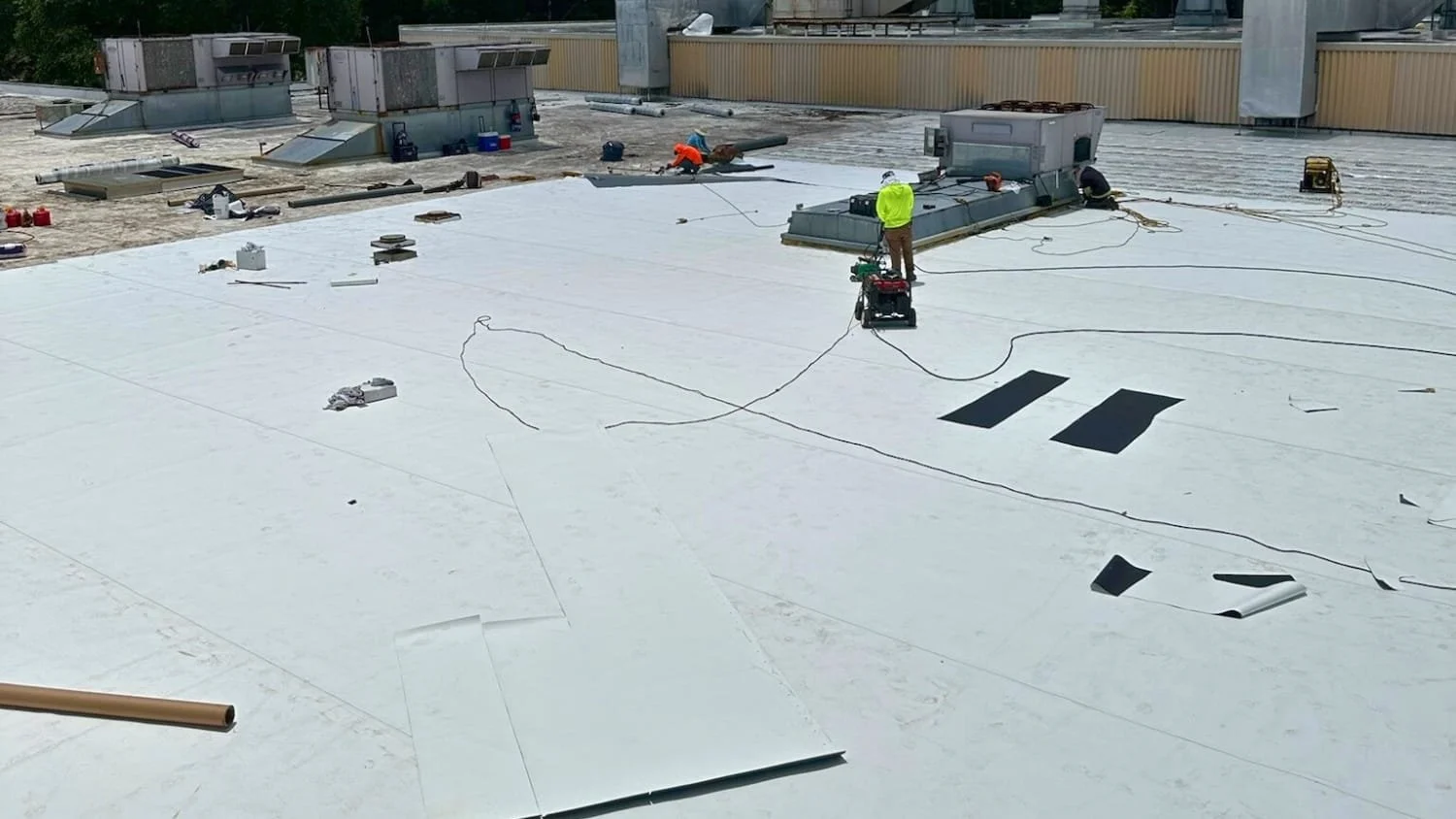
The mechanical load is heavy and concentrated. Each auditorium usually gets its own rooftop unit; on top of that you've got concession exhaust, lobby heating vents, and condensers for the walk-in coolers behind the snack bar. The penetration cluster over a typical Akron multiplex looks more like a hospital roof than a retail one, and every curb, duct, and conduit run gets flashed and documented individually before new membrane covers it.
Ponding is the slow killer on a flat cinema roof
Big flat decks built decades ago rarely drain the way they should anymore, and standing water is what ages a theater roof prematurely. Our standard reroof spec is 60-mil or 80-mil TPO mechanically attached over tapered polyiso — the taper rebuilds positive drainage the original roof lost, and white TPO satisfies the cool-roof energy requirements most jurisdictions now apply at reroof permitting. Around the dense HVAC zones we add reinforced walkway pads so the parade of service techs doesn't chew up the membrane.
Concrete versus steel deck
Cinemas get set on steel deck or on concrete over structural steel, and the substrate decides the attachment. Steel deck takes mechanical fasteners directly; concrete usually wants an adhered or ballasted approach where the structure allows. We start every theater reroof with a core sample to confirm the existing insulation layers, check moisture content, and weigh the in-place assembly before recommending a recover versus a full tear-off.
Working around the showtime calendar
Theaters run afternoons through late night, every day, which puts them in the same scheduling box as a 24-hour building. Loading-dock access for HVAC contractors, marquee and sign conduit, and evening foot traffic at the entries all shape the sequencing. We coordinate with theater management before mobilizing so the work stays clear of evening open procedures and any HVAC shutdown windows we need for curb work.
What a cinema roofing project includes
- Deck verification and fastener pull-out testing matched to the actual auditorium spans
- Tapered insulation design to correct the ponding that builds up on old flat theater roofs
- Individual flashing and documentation of every HVAC curb, exhaust, and conduit penetration
- Tight detailing at penetrations to protect the building's acoustic separation, not just its watertightness
- Re-flashing of marquee and entry-canopy connections, a chronic leak source on older cinemas
- Daily dry-in so every section is watertight before evening screenings begin
Solar, reroof timing, and the economics of a big flat deck
A multiplex roof is a large, unshaded, low-slope plane — which makes it one of the better rooftop solar candidates in a cinema operator's portfolio. We don't sell panels, but we do build roofs that are ready for them: a fresh membrane sequenced ahead of a future array means the deck won't need a tear-off under live panels in eight years, and we'll set the insulation, attachment, and walkway layout with that array in mind when an owner tells us it's coming. Getting the roof and the solar plan in the right order is the difference between one project and two.
The reroof itself is best timed to the building's slow stretch and Akron's weather window. Tear-off and adhered work want temperatures above the membrane and adhesive floors, which points the heaviest scope toward late spring through fall, while a theater's quieter weekday afternoons give us working room that evenings and weekends don't. We lay that schedule out against the screening calendar up front, so the deck is buttoned up over the auditoriums before the next big release weekend fills the seats.
Cinema roofing questions in Akron
What membrane do you usually spec for a multiplex?
Sixty- or 80-mil TPO mechanically attached over tapered polyiso. The taper fixes drainage and white TPO meets cool-roof code; walkway pads protect the membrane in the heavy-traffic HVAC zones.
How do the large auditorium spans change the install?
We verify deck rib depth and gauge and run pull-out testing before committing to a fastening pattern. Where deflection is a concern we may go adhered or hybrid to keep concentrated fastener loads off the seams.
Can the work avoid disrupting screenings?
Yes. Tear-off and dry-in are sequenced so each section is watertight before evening shows, and any HVAC shutdown is coordinated with management in advance.
Do you handle the marquee and entry canopies?
Yes. Marquee and canopy attachment points get treated as individual flashing items. The canopy-to-wall transition is a frequent chronic leak on older theaters, and we re-flash it as part of the project.