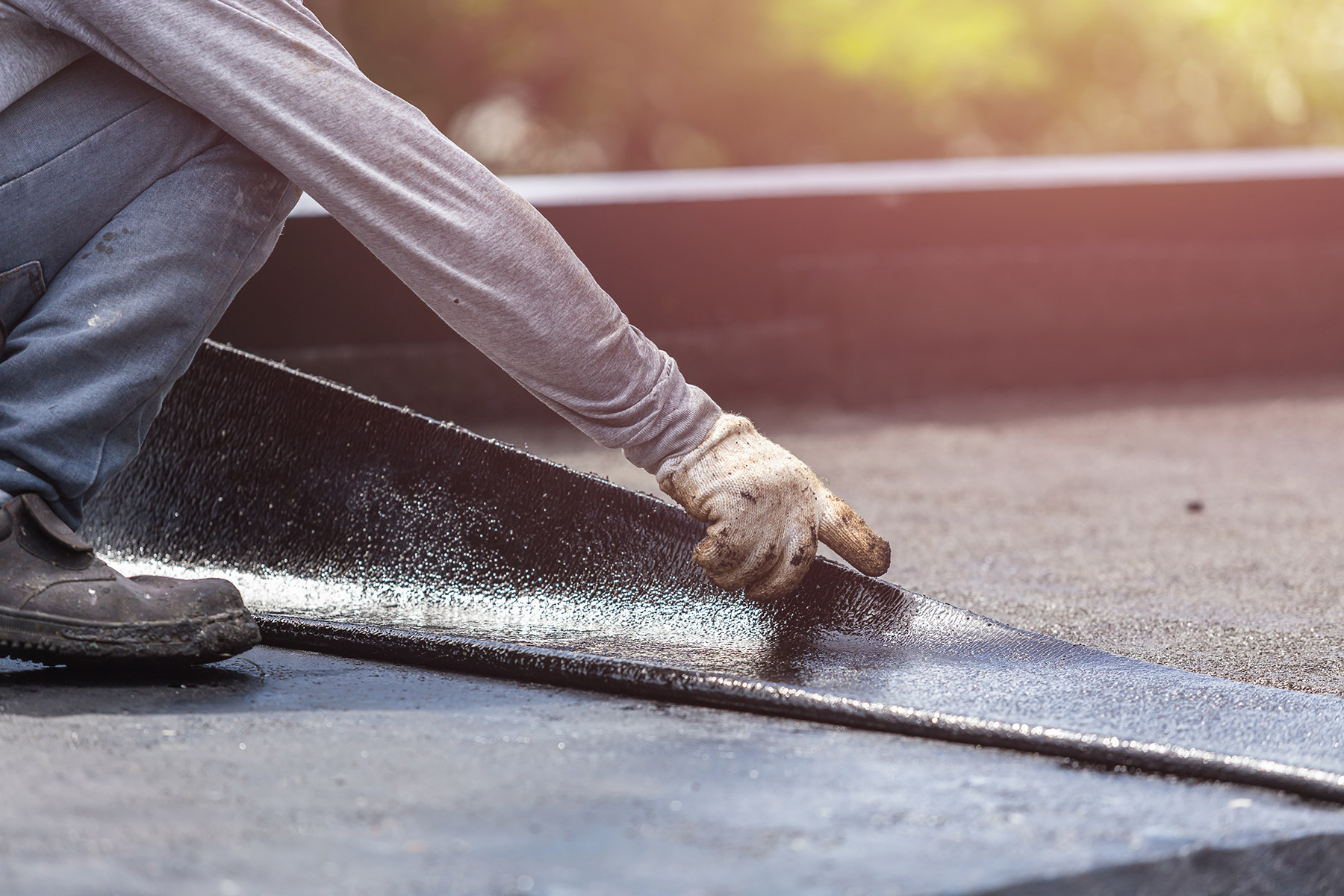
Industrial Roofing in Akron, OH for Akron commercial properties
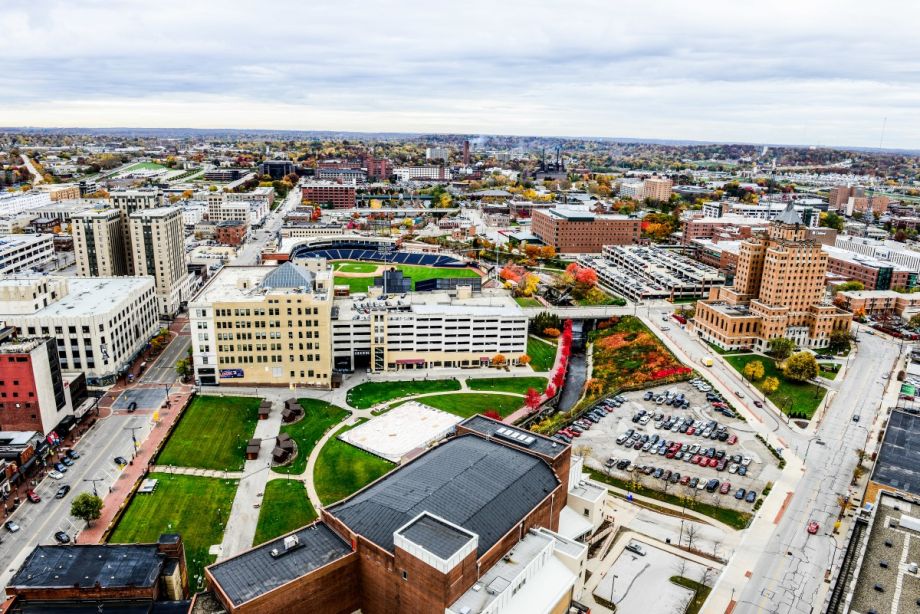
Industrial Roofing in Akron, OH in Akron isn't just commercial work — it's a specialized discipline rooted in the city's manufacturing past and the massive building stock that came with it. The polymer and rubber industry built Akron into a world capital of industrial production, and those Goodyear Heights warehouses, Firestone Park processing facilities, and Kenmore-area plants are still standing. Many of them are still running. The roofs on these buildings were originally installed as built-up systems or early EPDM membranes — technologies that made sense when Akron was the rubber capital of the world — and today those same roofs are reaching the end of their service life. We work across the full industrial landscape here, from the Port Green Industrial Park near Route 8 to the manufacturing corridors along I-76 and I-77, and we understand what it takes to keep these buildings watertight under the conditions northeast Ohio actually delivers.
The rubber and tire legacy buildings in Akron present a distinct set of roofing challenges. These are large, sprawling structures — single-story manufacturing floors with square footage measured in the hundreds of thousands — and they were made for production, not for easy roof access. Many have skylights, exhaust stacks, mechanical penthouses, and roof hatches that were added and modified over decades of industrial use. Before we scope any Industrial Roofing in Akron, OH project here, we walk the entire roof surface to document every penetration, every curb condition, every area where equipment has been removed or relocated and the original flashing was never properly addressed. On these older buildings, that walk almost always turns up conditions that would cause problems within the first few years of a new membrane installation if left unaddressed.
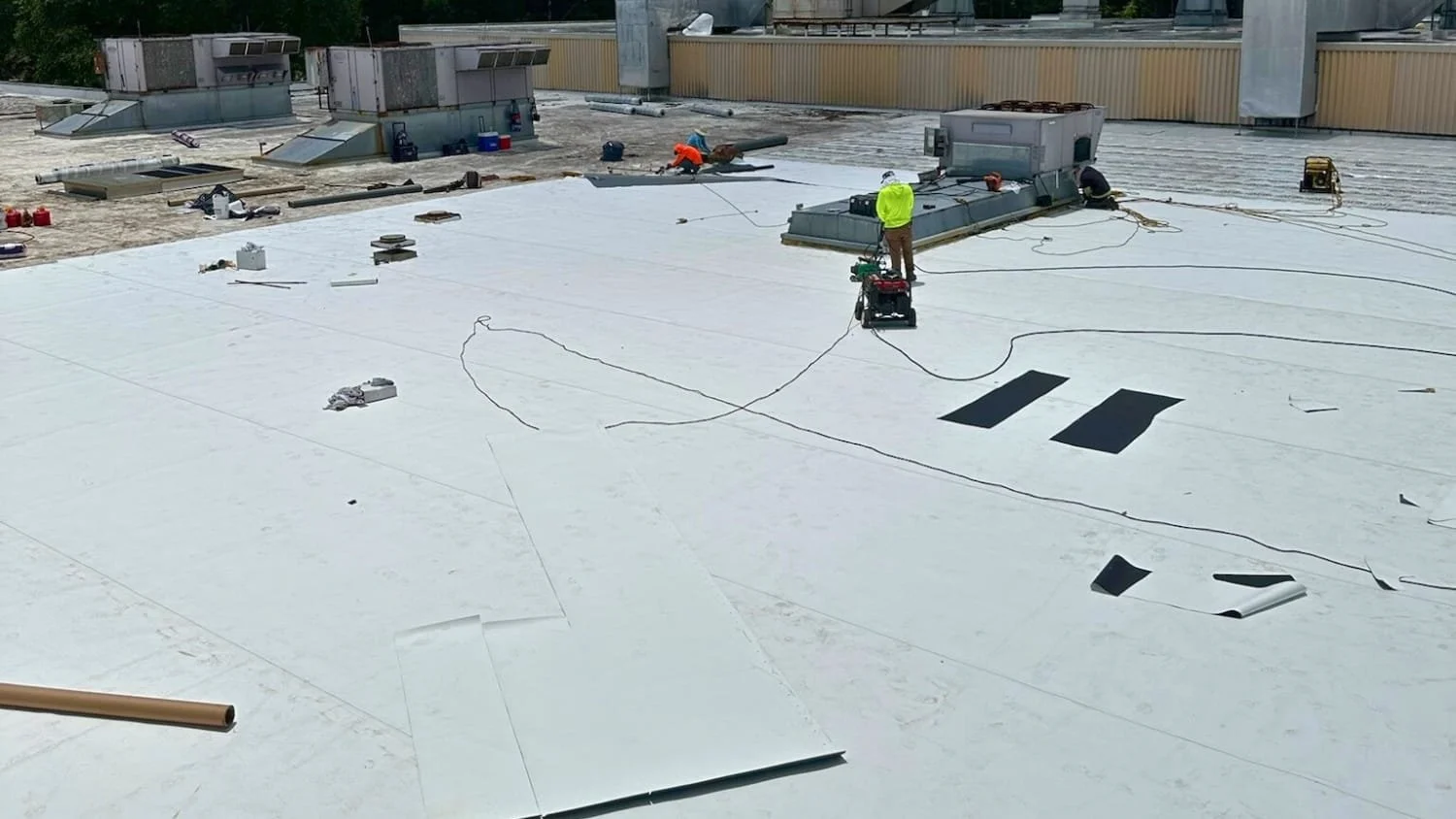
For flat and low-slope industrial roofs in Akron, we primarily install TPO (thermoplastic polyolefin) membrane systems, EPDM (ethylene propylene diene monomer), and modified bitumen for buildings with more complex drainage needs. Metal R-panel and standing seam are the right answer for new construction and for re-roofing over existing metal structures — particularly in the logistics and distribution buildings along the I-77 corridor near the Akron-Canton Airport commercial area and the Bounce Innovation Hub campus. SPF (spray polyurethane foam) is occasionally the right call on irregular roofs with difficult-to-flash transitions, where a seamless system outperforms sheet goods. The roof system we specify depends on the building's structural capacity, the existing substrate condition, occupancy type, and — critically — the snow load requirements this region demands.
Snow load is the dominant structural concern for industrial roofs in Akron. We average 47.2 inches of snowfall per year, and wet, heavy late-season snow events regularly put older industrial roofs under serious stress. The original structural steel in many Goodyear-era buildings was sized for the live loads of the era, and those load calculations have been revised upward by modern codes. Before we install any new roofing system on a legacy industrial building, we review the structural documentation and, when we have concerns, we bring in a structural engineer before we add anything to the roof. For flat roof systems where ponding is possible, we pay close attention to drainage slope design — a roof that holds standing water going into a freeze event is a roof that's going to fail early.
Freeze-thaw cycling is the other weather factor that drives roofing decisions in Akron. Through a typical northeast Ohio winter, roof surfaces can move through freeze-thaw cycles dozens of times. This thermal movement stresses membrane seams, flashing terminations, and penetration details. We use heat-welded seams on TPO installations rather than adhesive-only methods specifically because welded seams outperform adhesive bonding through years of thermal cycling. On EPDM installations, we use two-ply reinforced perimeter and penetration flashings and we spec the appropriate adhesive for low-temperature application. Getting the details right here is what separates a roof that lasts 25 years from one that needs emergency repairs every other winter.
Access logistics on large industrial buildings in Akron require planning before any crew shows up. Many of the manufacturing facilities in the Kenmore and Firestone Park areas are active — product is moving, shifts are running, and roof access has to be coordinated around production schedules and safety requirements. We have experience working under industrial facility management protocols: confined space procedures where applicable, hot work permits for torch-applied systems, coordinating crane picks or aerial lifts around active truck docks and yard equipment. Our project managers engage facility management teams early in the planning process, and we build access and coordination requirements into the project schedule from the start, not as an afterthought.
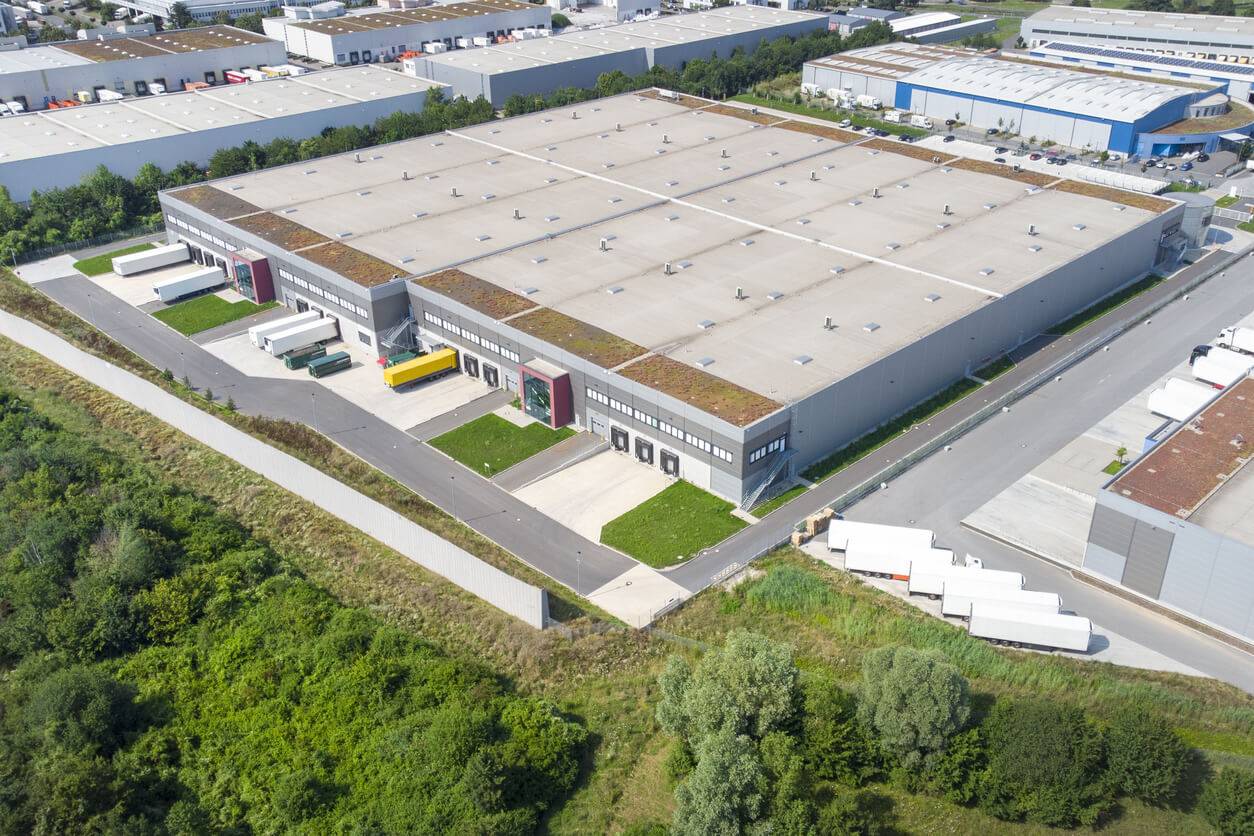
The I-76 and I-77 corridor has seen significant logistics and distribution development over the past decade, adding a new layer of modern Industrial Roofing in Akron, OH work to the traditional manufacturing base. These newer distribution facilities — typically steel-framed with metal deck, often exceeding 500,000 square feet under one roof — are made to different specs than the rubber-era buildings, but they have their own maintenance demands. Large TPO or EPDM systems on these buildings need annual inspections to catch seam stress, membrane punctures from rooftop equipment service, and perimeter edge metal issues before they become interior leaks. We offer maintenance programs specifically designed for high-volume distribution facilities, with documented inspection reports that facility managers can use for capital planning.
Chemical exposure is less of a factor in Akron than in some industrial markets, but it's not irrelevant. Rubber compounding facilities and polymer processing plants can vent compounds that degrade certain membrane types over time. We evaluate air quality and exhaust characteristics for any building in active industrial chemical processing use and specify membrane chemistry accordingly. Certain specialty coatings and membrane formulations resist hydrocarbon and chemical exposure significantly better than standard commercial grades. On buildings adjacent to active processing operations, we also pay attention to expansion joint details and the condition of roof drains — contaminated runoff needs to go where it's supposed to go, and inadequate drainage creates both maintenance problems and potential environmental compliance issues.
Maintenance on Akron's industrial building stock deserves a candid assessment: most of these roofs have deferred maintenance that goes back years or decades. The economics of manufacturing have been hard on building investment cycles, and roofing often gets patched rather than properly maintained. When we take on an industrial facility's roofing program, we start with a complete documented condition assessment — infrared moisture survey on existing membrane systems, core samples to determine insulation and substrate condition, a drain-by-drain review of the internal drainage system. This gives facility managers the data they need to make capital decisions based on actual conditions rather than guesswork. We can then develop a phased approach that addresses the most critical areas first, working within annual capital budgets rather than requiring a single large expenditure.
We work with industrial facility managers, plant engineers, building owners, and corporate real estate teams throughout the Akron market. Whether you're managing a Goodyear Heights legacy production building, a Port Green Industrial Park warehouse, or a modern logistics facility near CAK, we can put together a roofing program that fits the specific conditions of your building and your operation. Call us to schedule a roof assessment — we'll give you a straight-talk evaluation of what you have and what it's going to take to protect it.
Questions Owners Ask
How do we know if our older industrial building's roof structure can handle a new roofing system?
We evaluate structural capacity as part of every industrial re-roofing assessment. For legacy rubber-era buildings in Akron, we review existing structural drawings when available and look for signs of deflection, ponding patterns, and previous repairs that might indicate structural stress. If we have concerns about load capacity — particularly on buildings where we're adding insulation thickness or converting from BUR to a heavier system — we bring in a licensed structural engineer before we specify anything. Adding roof load to a building that can't carry it safely isn't something we'll do, and any contractor who doesn't address this question before bidding an industrial re-roof isn't giving you complete information.
What's the difference between TPO and EPDM for a large industrial flat roof, and which is better for Akron's climate?
Both are proven systems for northeast Ohio, and the right choice depends on your specific building conditions. TPO is a white or light-colored membrane that reflects heat in summer and is heat-welded at seams — those welded seams are very durable through freeze-thaw cycling. EPDM is a black rubber membrane with a long track record in cold climates; it's more flexible at low temperatures and handles thermal movement well. For buildings with significant rooftop chemical exposure or where a cool-roof energy benefit matters, TPO is often the better choice. For older industrial buildings with irregular surfaces and complex flashings, EPDM's flexibility and field-fabrication characteristics can make installation cleaner. We've installed both systems extensively in Akron and will give you a specific recommendation based on your building.
Can we stay in production during a roofing project on our active manufacturing facility?
Yes, in most cases — and we plan every Industrial Roofing in Akron, OH project with production continuity as a core requirement. We work with facility management to identify which roof sections can be taken one at a time, sequence the work to keep moisture exposure risk away from sensitive production areas, and schedule noisy or disruptive phases around shift changes or planned downtime. We use temporary waterproofing measures when we're doing staged tear-off work. We also observe all facility-specific safety protocols — hot work permits, confined space procedures, PPE requirements in production areas. Industrial Roofing in Akron, OH on active facilities requires more coordination than a vacant building, but it's standard practice for us, not a special accommodation.
How often should an industrial roof in Akron be inspected?
Twice a year at minimum — once in the fall before the first freeze, and once in the spring after the last significant snow load period. Fall inspections let us catch drainage issues, membrane damage from summer heat and UV exposure, and flashing problems before they're exposed to freeze-thaw stress. Spring inspections document any damage from winter snow and ice loads and address ponding drainage problems before summer rain season. For buildings with rooftop equipment or active HVAC service traffic, quarterly inspections are worth the cost — roof punctures and flashing disturbance from equipment service are the most common source of leaks on industrial roofs that are otherwise in good condition. We provide written inspection reports with photographs for every inspection, which supports capital planning and insurance documentation.
What causes the most industrial roof failures in the Akron area?
Deferred maintenance on drainage is the single biggest cause of premature industrial roof failure we see in Akron. Large flat roofs accumulate debris in drains and scuppers, and when drains are partially blocked, standing water creates sustained loading and accelerates membrane deterioration. The second most common cause is inadequate original flashing at penetrations — HVAC curbs, exhaust stacks, and roof hatches are the typical failure points, not the field membrane itself. And on the older rubber-era industrial buildings, thermal stress on aged BUR or early EPDM systems that were never upgraded causes systemic failure across large roof areas simultaneously. Regular maintenance — drain clearing, penetration inspection, and prompt repair of small damage — extends industrial roof life by years and avoids the much larger cost of full system replacement ahead of schedule.