Mixed-Use Development Roofing in Akron, OH for Akron commercial properties
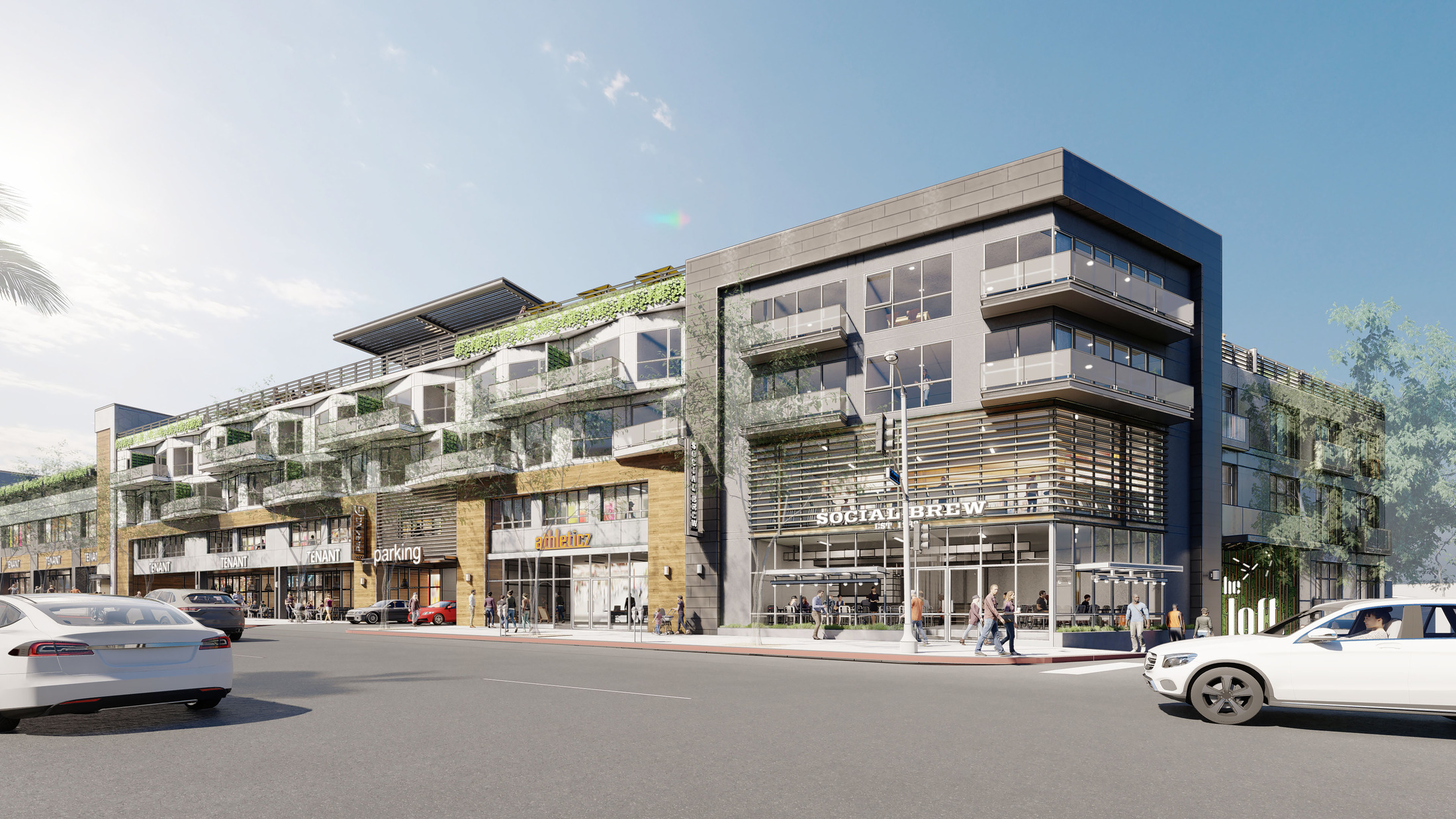
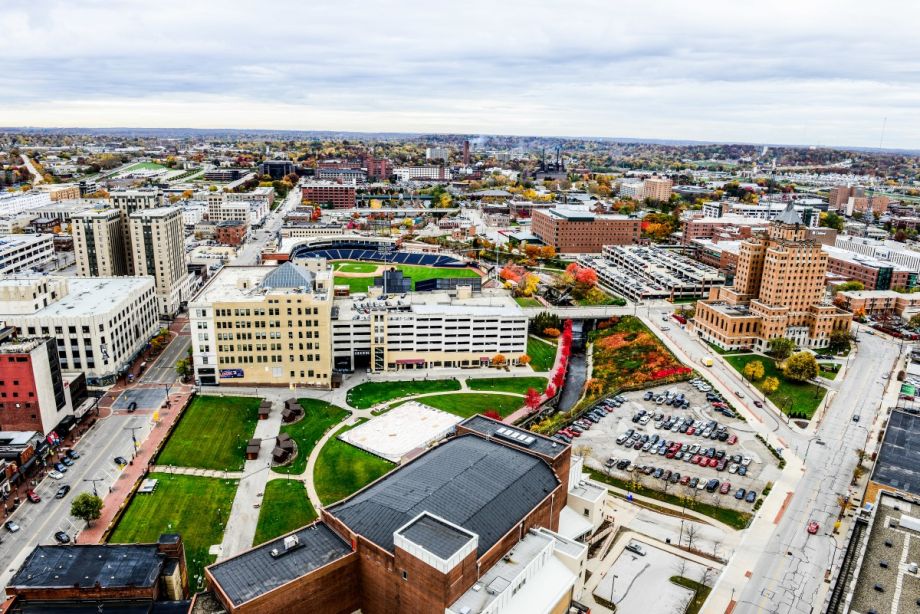
Lock 3 Park's surrounding Canal District development in downtown Akron represents the mixed-use urban revitalization model that has reshaped the city's core — retail and restaurant tenants occupying ground floors with apartment units above, integrated into a district where the building envelope serves occupants with very different requirements simultaneously. Mixed-use commercial roofing in Akron requires understanding that the roof plane on these buildings is not a single uniform system but a patchwork of different zones, different occupancy types, and different performance requirements that must work together without the failures between zones creating the most expensive problems.
The fundamental distinction in mixed-use Akron buildings is the division between the flat commercial base building and the multifamily floors above it. Where the commercial base steps down from the multifamily tower, a transition roof is created — a zone that is often improperly detailed and becomes the most common source of leaks in mixed-use construction. This transition zone must manage the building envelope continuity between the commercial and multifamily sections, handle water from both the commercial roof plane and any overflow from multifamily balconies above, and provide the thermal performance required by both occupancy types. We treat this transition zone as a primary scope item, not an afterthought, and detail it with the care that its complexity demands.
Occupied apartment units in Akron mixed-use buildings require dust and debris protection protocols that go well beyond what standard commercial roofing requires. Residents cannot be asked to vacate their units during reroofing — and in most cases cannot be required to under Ohio tenant protection law — so the work must proceed above their heads without debris or noise creating uninhabitable conditions. We use containment systems, vacuum-equipped removal tools, and vibration-monitoring during high-impact operations to protect multifamily occupants. Pre-construction notice to residents, coordinated with building management, is part of our standard protocol for mixed-use multifamily work.
Terrace and deck waterproofing over occupied commercial spaces is one of the most technically demanding elements of mixed-use building envelope management. These assemblies must serve two functions simultaneously: as occupied surfaces for residents above and as waterproof membranes protecting the commercial tenants below. When they fail, the consequences are immediate for both — a wet restaurant ceiling and a deteriorating terrace are simultaneous problems requiring a single coordinated solution. We design terrace and deck assemblies with appropriate drainage, slip-resistant walking surfaces, and waterproofing membranes rated for foot traffic and occupied-space protection, specified and installed with the care that dual-purpose assemblies require.
Green roofs and rooftop amenity spaces are increasingly standard in Akron's newer mixed-use developments, driven by both resident amenity expectations and the stormwater management requirements of Akron's combined sewer overflow reduction program. Vegetative roof assemblies over mixed-use buildings present specific waterproofing challenges: the waterproofing membrane must resist root penetration while remaining accessible for inspection and repair under a living roof system that cannot be simply removed for access. We specify root-resistant membranes, design inspection access protocols into every green roof assembly, and document all green roof waterproofing installations for the building management team.
Building envelope continuity between commercial and multifamily sections of Akron mixed-use buildings is a technical challenge that involves the roof, the wall assembly, and the transition between them — all of which must work as a continuous system. Air and vapor barriers, flashing continuity, and the interface between different cladding systems at the commercial-multifamily transition require coordination that goes beyond what a typical roofing contractor provides. We work with building envelope consultants and architects to ensure that the roofing system is part of a continuous building envelope strategy, not an isolated trade scope with inadequate attention to how it connects to adjacent systems.
Working with building management across multiple tenant types in Akron mixed-use buildings requires communication skills and stakeholder management that are different from standard commercial roofing relationships. A downtown Akron mixed-use building might have a restaurant, a retail tenant, and a multifamily property manager all with different concerns, different access requirements, and different tolerances for the disruption that roofing work creates. We establish communication protocols with the building owner or management company at the start of every mixed-use project, define how and when we communicate with individual tenants, and create a single point of contact for any concerns that arise during construction.
Akron's climate creates specific timing pressure for mixed-use building roofing. Ohio's freeze-thaw cycles stress every element of a mixed-use building envelope, and the combined water management system — commercial roof drainage connecting to terrace drainage connecting to multifamily roof drainage — must all function correctly to prevent the winter freeze damage that compromised building envelopes in this climate experience. We inspect and address drain slope, overflow capacity, and drain line exposure in every mixed-use building roofing project, and we document the drainage system for building management so that maintenance responsibilities are clearly understood.
Downtown Akron's urban density creates specific logistical challenges for mixed-use building roofing. Crane access, material staging, and debris removal in a dense urban environment require coordination with the city, adjacent property owners, and the building's commercial tenants whose customers and delivery operations are affected by construction activity. We develop site logistics plans before mobilizing on every Akron downtown mixed-use project, identify street closure or loading zone use requirements, and obtain necessary permits before mobilizing. Logistics surprises on a downtown mixed-use roofing project cause delays that are expensive for everyone involved.
- How do you protect multifamily occupants during reroofing on an Akron mixed-use building?
- We install containment systems before opening any section, use vacuum-equipped removal tools to minimize debris, conduct noise-intensive operations during business hours rather than early morning or evening, and provide advance notice to residents through building management before beginning each work phase. We comply with Ohio tenant protection requirements throughout construction.
- What is the most common failure point in Akron mixed-use buildings?
- The transition zone between the commercial base building roof and the multifamily sections above is consistently the most common source of envelope failures. Improperly detailed transitions allow water to migrate between building sections in ways that damage both the commercial and multifamily portions. We treat this zone as a primary scope item requiring custom detailing.
- How do you waterproof terraces that serve both multifamily occupants and protect commercial tenants below?
- We specify dual-purpose assemblies with waterproofing membranes rated for occupied-surface conditions, root-resistant protection layers where vegetation is present, and drainage systems designed for the combined loads of resident use and Ohio precipitation. Inspection access is designed into every terrace assembly for long-term maintenance access.
- Can you manage a green roof replacement on an occupied Akron mixed-use building?
- Yes. Green roof membrane replacement on occupied buildings requires careful planning for plant material management, drainage layer access, and work sequencing that maintains weathertight conditions throughout construction. We coordinate directly with the building manager and any landscape contractor involved in the plant layer.
- How do you handle drain management for multi-zone mixed-use roof systems?
- We survey and document the full drainage system — commercial roof, terrace, and any multifamily roof sections — as a connected system before specifying any scope. Drain slope, overflow capacity, and drain line condition are evaluated across the entire connected system, not just the section being reroofed.