
REIT Roofing Services for Akron commercial properties
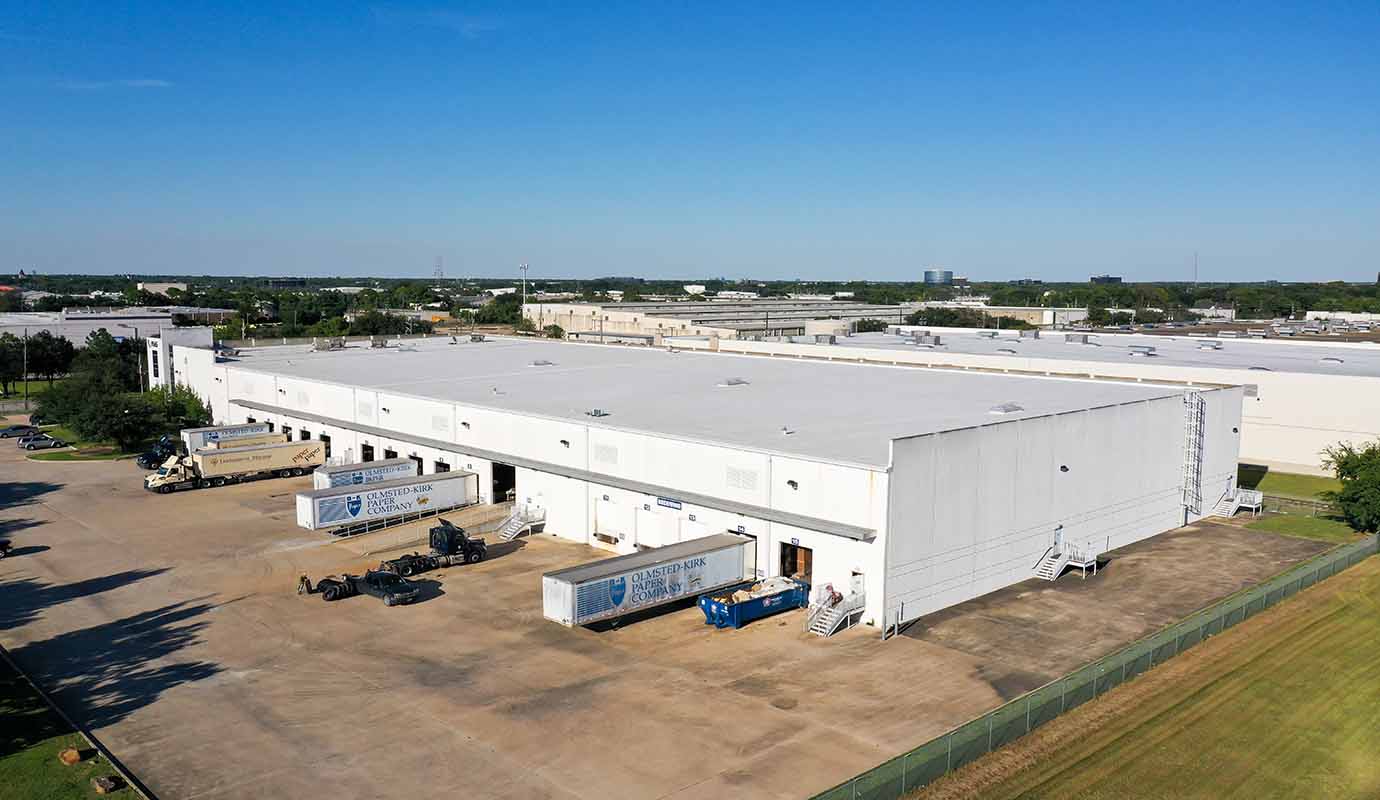
Prologis holds a substantial industrial portfolio across Northeast Ohio, with Akron serving as a critical node in the regional distribution network connecting Cleveland, Columbus, and Pittsburgh. For asset managers overseeing Prologis warehouse and flex-industrial properties in Summit County, roof condition is not an administrative afterthought — it is a balance sheet variable that feeds directly into quarterly NAV calculations and investor reporting packages. A single deferred roof replacement on a 180,000-square-foot distribution facility can trigger a reserve shortfall that ripples through three quarters of CAPEX forecasts before it ever gets addressed.
Managing roofing across a portfolio of Akron commercial properties requires a fundamentally different operational model than a single-building owner uses. Institutional asset managers running five, ten, or fifteen properties in the metro area need a preferred vendor program — one contractor holding a master service agreement that standardizes response times, reporting formats, scope definitions, and warranty terms across every asset in the book. Without that, each property manager is calling a different roofer, receiving inconsistent inspection reports, and feeding incompatible data into a CAPEX model that was never designed to reconcile apples and oranges.
The NOI math on deferred roofing maintenance is unforgiving. Take a Prologis flex-industrial building in Akron generating $420,000 annually in net operating income. A roof replacement deferred 24 months may cost $85,000 at the time of execution — but by then, a tenant has escalated lease concerns, two water intrusion claims have been filed, and the maintenance reserve line has absorbed three emergency repair calls that totaled $19,000. The true cost of delay is not $85,000. It is closer to $115,000 once you account for carry costs, emergency callouts, and the risk-adjusted discount on lease renewal probability. REIT investor presentations cannot absorb that kind of noise.
CAPEX planning for Akron portfolio assets follows an annual cycle tied to the REIT's fiscal reporting calendar. A credible 10-year reserve model for roofing requires documented current conditions — square footage, membrane type, installation year, last inspection date, estimated remaining useful life, and identified deficiencies. Asset managers who feed accurate roof condition data into their reserve model show investors a disciplined approach to capital allocation. Those who guess or extrapolate from three-year-old PCAs create the kind of variance that triggers questions from analysts on earnings calls.
Consider a property manager responsible for twelve Akron commercial assets — industrial parks near the I-76 interchange, retail strips along Route 91, and office properties in the downtown core. Managing twelve separate roofing vendor relationships means twelve different insurance certificates to track, twelve different warranty documents, twelve different inspection formats that need to be translated into one standardized CAPEX worksheet. The administrative drag alone justifies consolidation. Beyond administration, a single trusted local contractor learns the quirks of your specific membrane systems, your preferred specification standards, and your reporting deadlines. That institutional knowledge is worth more than the marginal savings a competitive bid might produce on any single project.
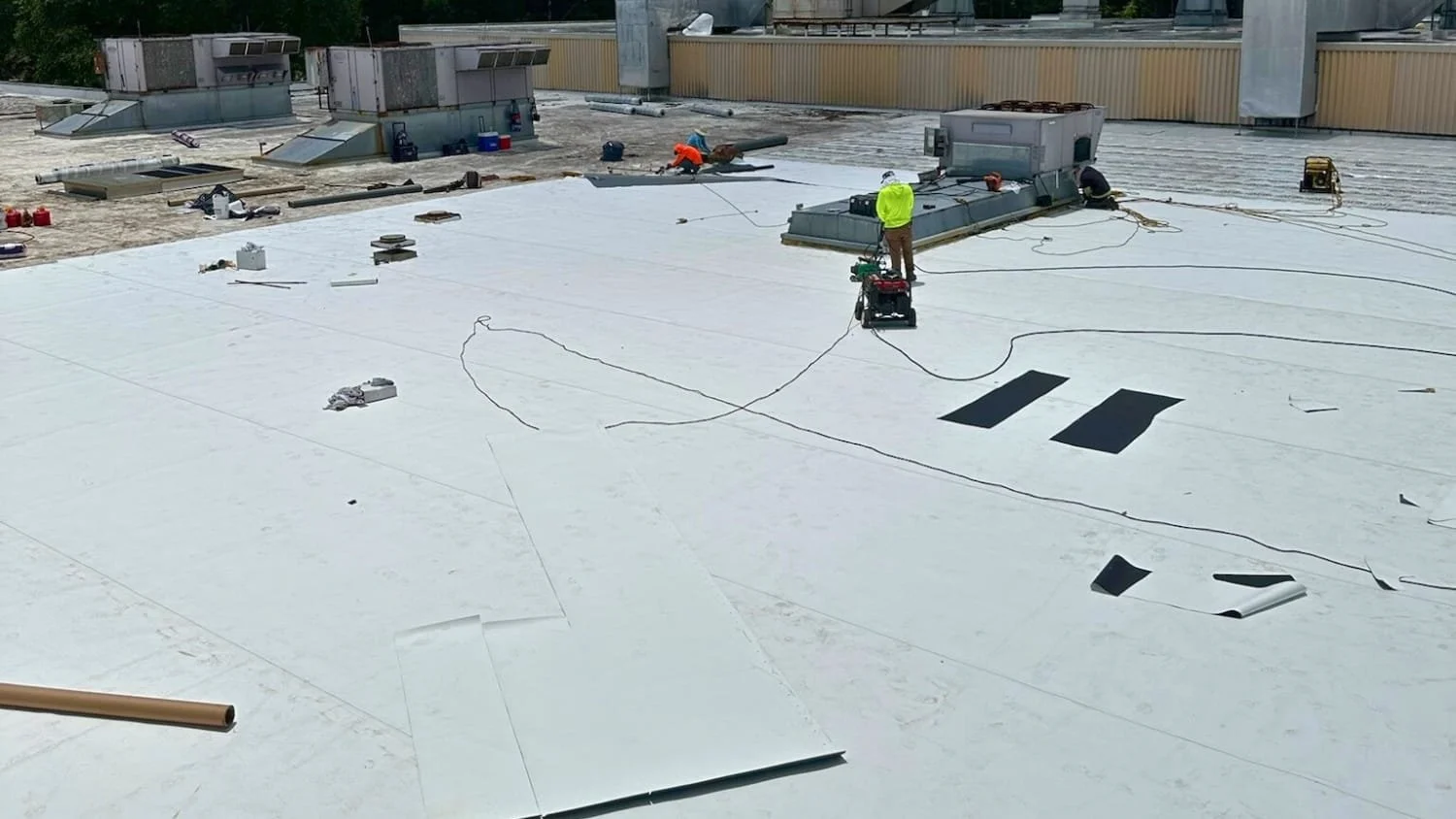
The accounting treatment of roofing work matters to REIT financial statements in ways that don't apply to private owners. A full membrane replacement is a capital expenditure — it extends the asset's useful life and is depreciated over 20 or 39 years depending on classification. An emergency repair or maintenance patch is an operating expense hitting the P&L in the current period. REIT controllers and their external auditors scrutinize the CapEx-versus-OpEx line carefully. For triple-net leases, tenants carry roof maintenance responsibility, but REIT asset managers still track condition because deferred tenant maintenance affects property condition assessments at disposition and renewal negotiations at lease expiration. On gross-lease properties, the REIT bears roof costs directly, making condition management a first-dollar financial exposure.
Akron sits within a secondary market experiencing steady industrial acquisition activity as Midwest logistics infrastructure absorbs e-commerce demand. REITs acquiring value-add industrial assets in Summit County are purchasing buildings where capital planning was done by private owners without institutional discipline. That means roofs frequently arrive in worse condition than a desktop underwrite suggested. owners who conduct thorough pre-closing PCAs avoid inheriting deferred maintenance that was not reflected in purchase price negotiations.
Property condition assessments for REIT acquisitions in Akron require a roofing contractor who can deliver a bankable report within the timeline a closing schedule allows — typically 10 to 21 days from access authorization to written findings. The PCA scope for roofing includes membrane condition rating, drainage adequacy, penetration and flashing integrity, parapet condition, and a cost estimate for immediate repairs, near-term capital needs, and long-term replacement reserve. Acquisition teams need numbers they can drop directly into their underwriting model without interpretation.
Akron's climate presents a specific set of risks for REIT Roofing Services portfolios. The city averages over 60 inches of annual snowfall and experiences significant freeze-thaw cycling from November through March. Flat and low-slope membrane systems on industrial buildings take the worst of it — standing water, ice damming at drains and scuppers, and membrane fatigue from repeated thermal expansion and contraction. A commercial roofing contractor with demonstrated experience in Northeast Ohio winter conditions, who understands how to specify membrane systems that perform across a 90-degree seasonal temperature swing, is the partner a REIT asset manager needs before the next storm season begins.
- How does a master service agreement benefit a REIT with multiple Akron properties?
- A master service agreement standardizes pricing, response times, inspection formats, and warranty terms across every asset in your portfolio, eliminating the administrative burden of managing multiple vendor relationships and ensuring consistent data flows into your CAPEX reporting system.
- How does roof condition affect NOI on a REIT-owned industrial property?
- Deferred roof maintenance increases emergency repair costs, creates tenant lease risk, and generates reserve shortfalls that distort quarterly CAPEX forecasts — each of which suppresses NOI and, by extension, the cap-rate-driven valuation investors apply to the asset.
- What should a REIT's 10-year roofing reserve model include for Akron assets?
- The model should document membrane type, installation year, current condition rating, remaining useful life estimate, identified deficiencies, and cost projections for repairs, maintenance, and full replacement phased across the planning horizon — updated by annual inspections.
- What does a roofing PCA report need to include for an Akron acquisition team?
- A bankable PCA report requires current condition ratings, drainage and flashing assessment, immediate repair cost estimates, a 1-to-5-year capital needs schedule, and a full replacement reserve figure — all in a format compatible with standard underwriting models and delivered within closing timelines.
- How does the CapEx vs. OpEx distinction affect REIT roof decisions in Akron?
- Full replacements are capitalized and depreciated, while repairs are expensed in the current period — a distinction REIT controllers and auditors enforce carefully, so proper scope classification at the planning stage prevents restatement risk and keeps financial reporting clean.