Built-Up Roofing in Akron, OH for Akron commercial properties
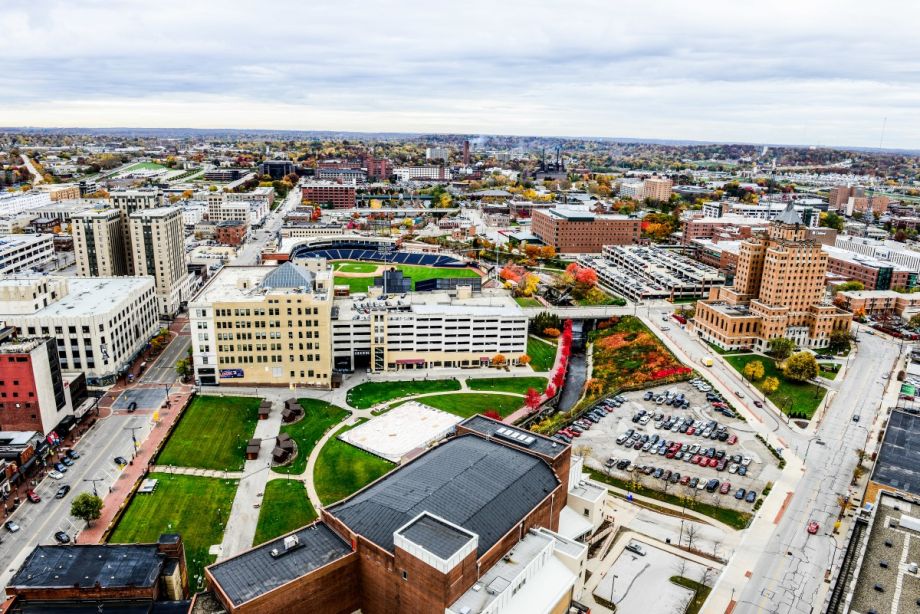
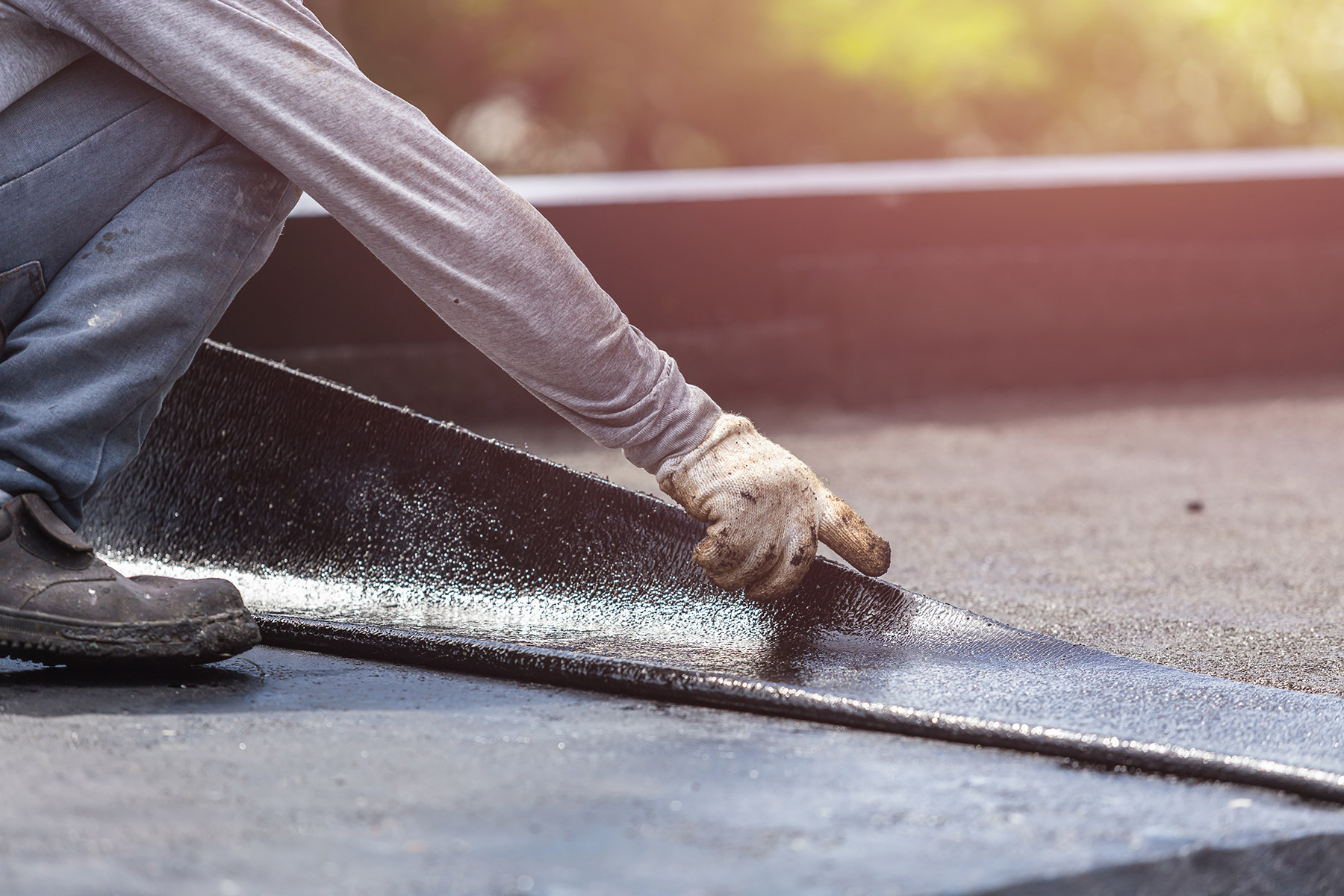
Built-up roofing is not a relic in Akron — it is a living part of the city's commercial building stock, concentrated most heavily in the neighborhoods that bear the names of the companies that built them. Goodyear Heights, Firestone Park, and the Kenmore Boulevard Historic District contain a dense inventory of mid-century industrial and commercial buildings whose original roofing systems are multi-ply felts mopped in hot asphalt and surfaced with embedded aggregate. These buildings were constructed to serve tire and rubber manufacturing operations, built heavy and made to last, and their roofs often reflect that same philosophy: BUR systems installed in the 1950s and 1960s are still in service, heavily patched but fundamentally intact, supporting the warehouses and light industrial spaces that now house fabricators, distributors, and small manufacturers along the I-77 and I-277 corridors.
Understanding BUR in this market means understanding the substrate. Many Akron industrial buildings in these neighborhoods have concrete deck — either structural concrete or lightweight insulating concrete fill — which is an excellent BUR substrate and part of why the systems have lasted so long. Concrete decks do not deflect under snow load the way steel decks do, reducing the lap-stress and walking-crack patterns that accelerate failure on lighter construction. What ages BUR on Akron's older buildings is almost always the same sequence: aggregate displaces or embeds in softened asphalt during summer heat, exposing cap-sheet felt to UV degradation; alligatoring begins across broad field areas; drains clog with displaced gravel and backed-up organic debris; ponding water infiltrates through open laps or pinhole oxidation failures; and insulation or concrete fill begins to absorb moisture, adding weight and reducing thermal performance.
Gravel drain maintenance is the highest-leverage preventive action for any Akron BUR system. The combination of 47.2 inches of annual snowfall and 41.57 inches of annual rainfall produces substantial debris transport across flat roofs — leaves, organic matter, and displaced aggregate migrate toward drains with every significant precipitation event. A drain that was clear in October can be fully blocked by January, and a blocked drain under a January snowpack means snowmelt has nowhere to go except into the membrane through whatever vulnerability exists. We recommend twice-annual drain inspections for any gravel BUR — spring after snowmelt and fall before leaf drop — with an emergency drain clearing protocol after any major storm event.
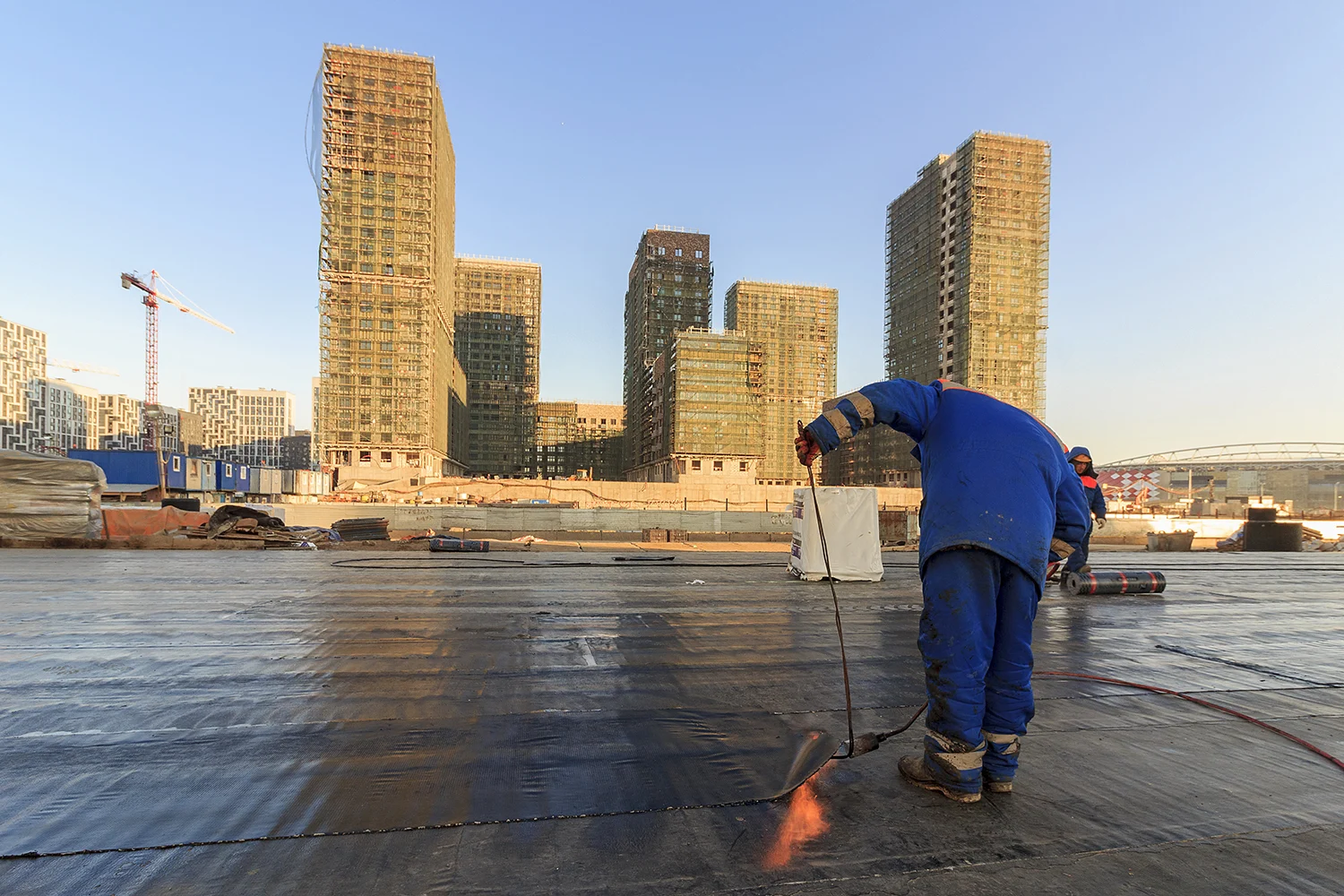
Hot-applied BUR remains the gold standard for new BUR installation in climates like Akron's for a specific reason: the mopped asphalt layers form a fully adhered, redundant waterproofing assembly that handles freeze-thaw cycling at the ply level. Unlike single-ply systems where one membrane failure creates a direct leak path, a four-ply BUR requires simultaneous failure at every layer above a given point before water penetrates. That redundancy is why building owners with critical operations — manufacturing lines, cold storage, or server infrastructure — often specify BUR when their existing system finally reaches end of life. The insurance cost of a roof leak stopping a production line is orders of magnitude greater than the incremental cost of a BUR specification over a single-ply alternative.
The Kenmore Boulevard Historic District presents specific challenges for BUR work. Many of these commercial masonry buildings have parapets with embedded coping stones or formed metal coping that integrates with the BUR base flashing. When BUR base flashing fails — as it almost always does before the field membrane on aged systems — it typically fails at the cant strip or counter-flashing termination rather than in the open field. Repairing base flashing on a historic masonry building in Kenmore requires care not to disturb original brick coursing or historic mortar profiles, which may trigger local historic preservation review even for roofing work above the parapet line. Our crews carry documentation of historic district requirements and can navigate those conversations with building owners before work begins.
Modified BUR — where one or more plies are replaced with a factory-manufactured modified-bitumen sheet — represents the modern evolution of the system and is often the specification we recommend for re-roofing projects where the owner wants BUR performance with better cold-temperature flexibility. Standard oxidized asphalt felts can become brittle in sustained sub-freezing temperatures, an issue that shows up on Akron roofs every February when nighttime temperatures drop into the single digits and then rise rapidly during the day. SBS-modified cap sheets maintain flexibility at lower temperatures, reducing the thermal-shock cracking that accelerates standard BUR failure in this climate.
Core sampling is the essential diagnostic for any Akron BUR system being evaluated for repair, recover, or replacement. A two-inch diameter core cut to the deck reveals: number of plies present, condition of each ply, asphalt oxidation level, insulation type and condition, deck type, and presence of moisture. That 15-minute procedure — done in multiple locations across the roof — provides more decision-useful information than any amount of visual observation. We include core sampling in all BUR assessments at no additional charge and provide the core samples to the owner as physical evidence of roof condition.
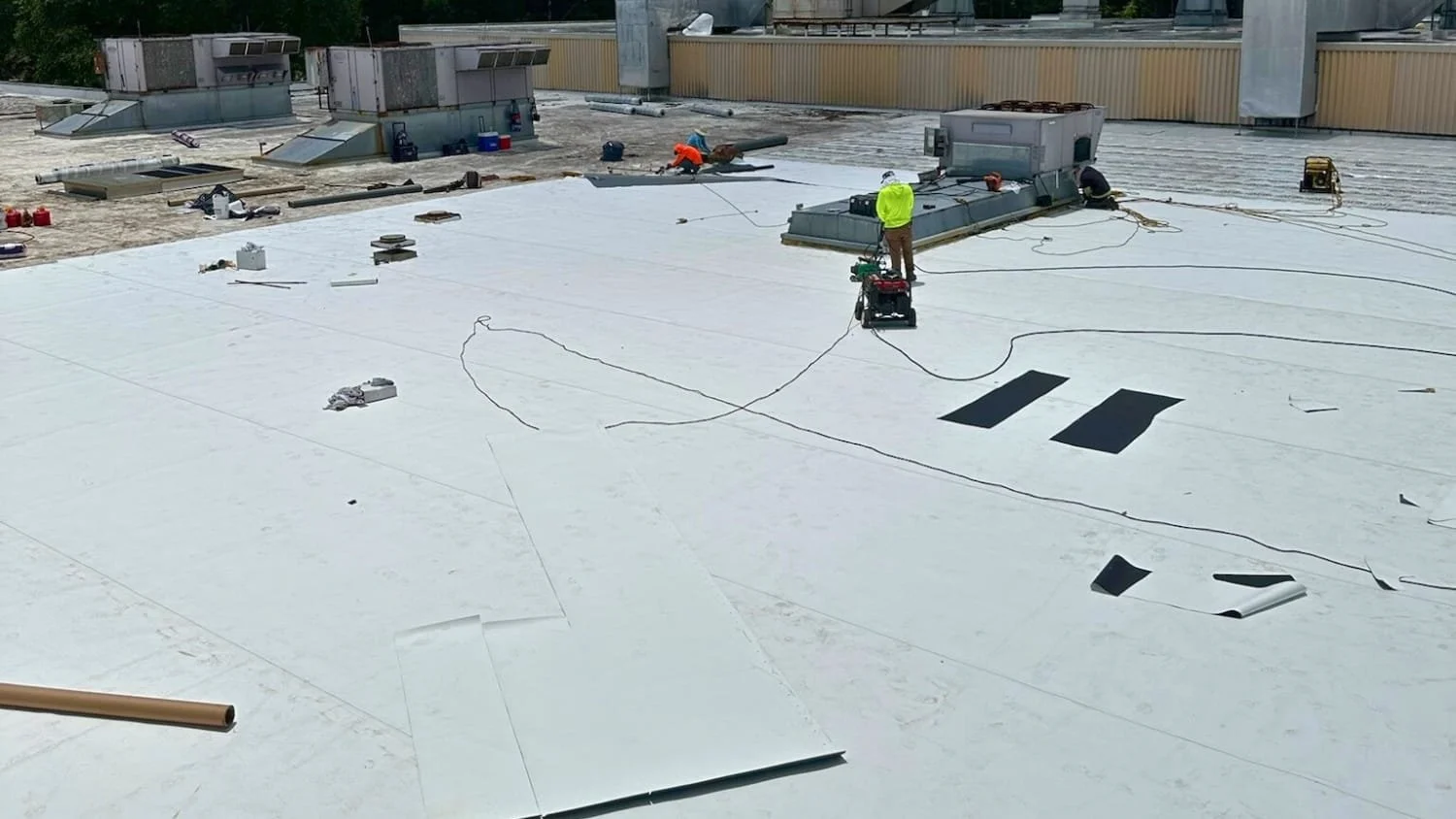
For large industrial BUR replacements in Goodyear Heights or along the Port Green Industrial corridor, staging and phasing are critical operational considerations. These buildings are often still in active use — warehousing, light manufacturing, distribution — and cannot tolerate the entire roof being opened simultaneously. We phase BUR tear-off and re-roofing in sections, maintaining a dry perimeter at all times, with temporary flashing and tarp protection at any open edge. Kettle placement for hot asphalt work is coordinated with facility managers to avoid exhaust conflicts with air intakes or production equipment. Our project managers develop a detailed phasing plan before mobilization on any BUR project exceeding 20,000 square feet.
Akron's BUR stock represents decades of capital investment in commercial real estate infrastructure. Whether the goal is extending an existing system through strategic repairs, recovering over sound insulation with a new cap sheet assembly, or full tear-off and replacement, we approach each BUR project with the understanding that these buildings are not interchangeable with new construction — they have histories, constraints, and sometimes historic designations that shape every decision on the roof.
Questions Owners Ask
How do I know whether to repair, recover, or replace my existing BUR?
The primary driver is insulation moisture content. We conduct an infrared moisture scan and take physical cores to determine how much of the insulation is wet. If less than 25% of the insulation is wet and the deck is sound, a recover or targeted repair is often viable. If moisture infiltration is widespread, a full tear-off is almost always more economical long-term because wet insulation under a new membrane never fully dries and will cause adhesion and performance failures over time.
What is the expected lifespan of a new BUR system in Akron's climate?
A properly installed four-ply hot-mopped BUR with a granule-surfaced cap sheet carries a 20-year NDL warranty from major manufacturers and routinely lasts 25–30 years with regular maintenance. The most common early-failure mode in Akron is drain neglect — gravel-surfaced BUR requires consistent drain maintenance to achieve its design life in this precipitation climate.
Is BUR still a good choice for new construction, or should I specify a single-ply system?
BUR remains an excellent choice for new construction in industrial and warehouse applications where redundancy, puncture resistance, and long service life are priorities. Its higher installed cost relative to single-ply is partially offset by longer service life and lower maintenance frequency on the field membrane. Single-ply systems are more cost-competitive on large simple roofs with good drainage; BUR wins on complex industrial roofs where durability and repairability over decades matter.
What causes the alligatoring pattern I see on my gravel BUR?
Alligatoring is surface oxidation of the asphalt binder, typically in the cap sheet or top ply. UV exposure, heat cycling, and aggregate displacement that exposes the felt surface all accelerate it. Alligatoring is a warning sign that the cap sheet has lost flexibility and is approaching the point of through-cracking, but it does not necessarily mean the underlying plies are compromised. A core sample will confirm whether replacement is urgent or whether a coating or cap-sheet overlay can extend service life.
Can BUR be installed in winter in Akron?
Hot-mopped BUR requires substrate temperatures above 40°F for proper asphalt adhesion, which limits reliable installation to April through October in Akron. Emergency repairs can be executed in colder conditions using cold-applied adhesive or torch-applied modified sheets, but full BUR installation in sub-freezing conditions risks adhesion failures and ply delamination. We plan major BUR projects to avoid Akron's January-February window whenever possible.