
A Service Agreement for Buildings That Cannot Afford to Stop
When a roof fails over a working building, the roofing invoice is rarely the expensive line. The expensive lines are everything underneath it: the pick aisle coned off while ceiling tiles come down, the pallets of finished goods shrink-wrapped and quarantined, the tenant whose sales floor smells like wet insulation, the production run rescheduled because water found a panel box. A roof service agreement exists so those lines never get written. It is a standing arrangement — two scheduled rooftop service visits per year plus a dedicated pre-snow check — that keeps the roof working so the business under it never has to think about it.
Scheduled Service Instead of Surprise Shutdowns
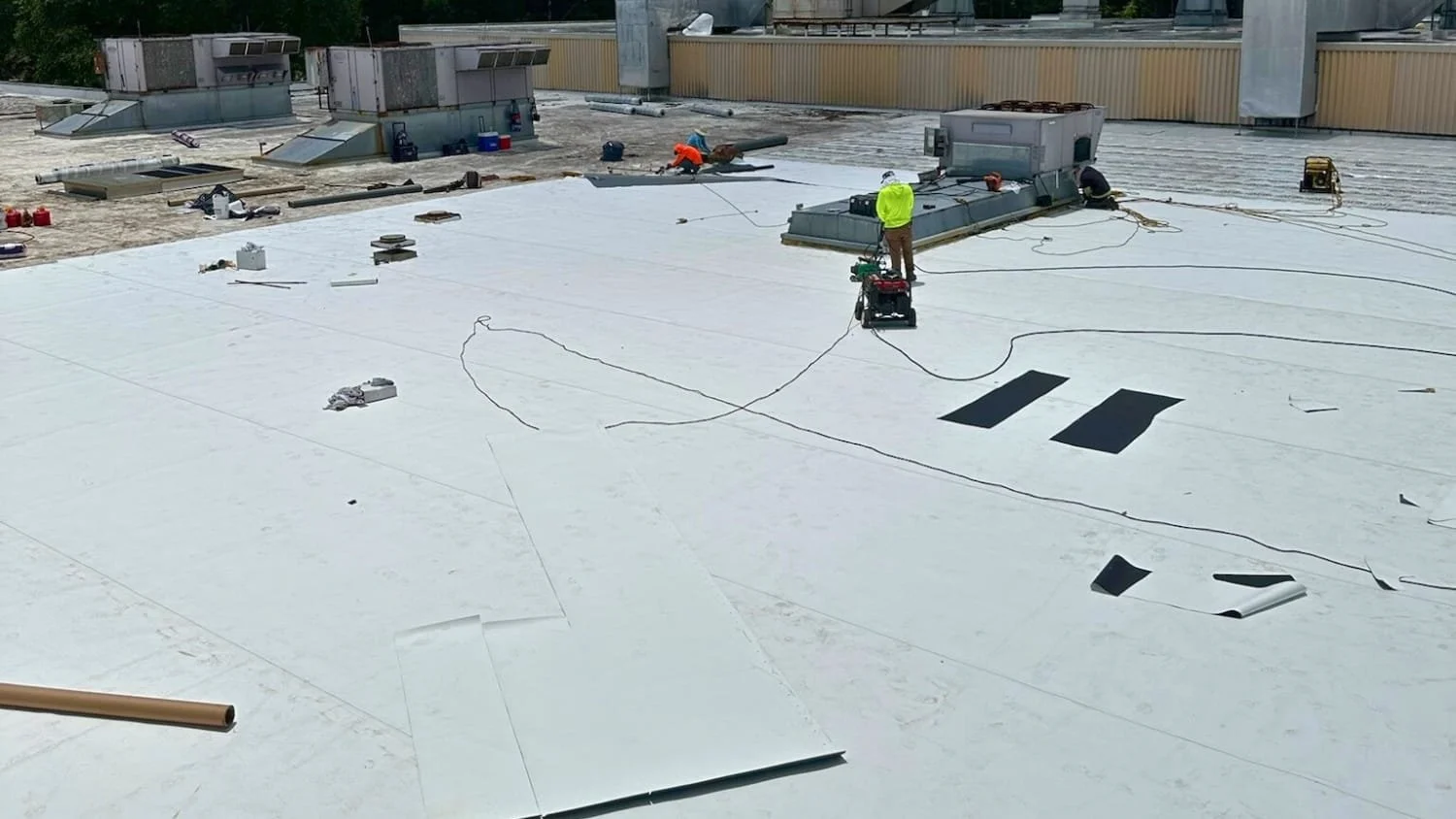
Each service visit is a working session, not a drive-by. The crew walks the membrane end to end, probes seams and laps, tightens up lifted flashings and terminations, re-seals penetrations going soft, and clears every drain and scupper on the roof. Small defects get repaired during the visit itself — no second mobilization, no repair proposal for caulk-gun work. Everything is photographed, and the condition report reaches you within two business days.
Just as important is what the people below the deck notice: nothing. Visits are booked around the operation — before doors open at a retail center, between shift changes at a plant, around dock schedules at a distribution building. Because the work is planned instead of reactive, there are no emergency cores cut over occupied space and no crews improvising above inventory.
The Pre-Snow Visit Is the One That Saves Winters
Northeast Ohio roofs earn their reputation between December and March. Before the first accumulation, agreement buildings get a pre-snow visit: drains, scuppers, and gutters cleared to bare metal, membrane and flashings checked before snow load settles onto them, and marginal seams sealed ahead of the freeze-thaw cycling that pries open anything left loose. That one visit is the difference between a roof that sheds a February melt event quietly and a roof that sends meltwater through a lap joint onto a sales floor — with the cleanup, the claims, and the closed doors that follow.
When Something Does Happen, You Are First in Line
No agreement eliminates weather. What it changes is the response. Agreement holders get priority dispatch ahead of the general emergency queue, and the crew that shows up already knows the building — the drain layout, the penetration inventory, the access route, the panel locations worth protecting. That familiarity compresses the timeline from "water inside" to "roof dried in" from days to hours, and hours are what decide whether an incident is a maintenance note or an operations story your tenants retell at lease renewal.
Built for Occupied, Working Buildings
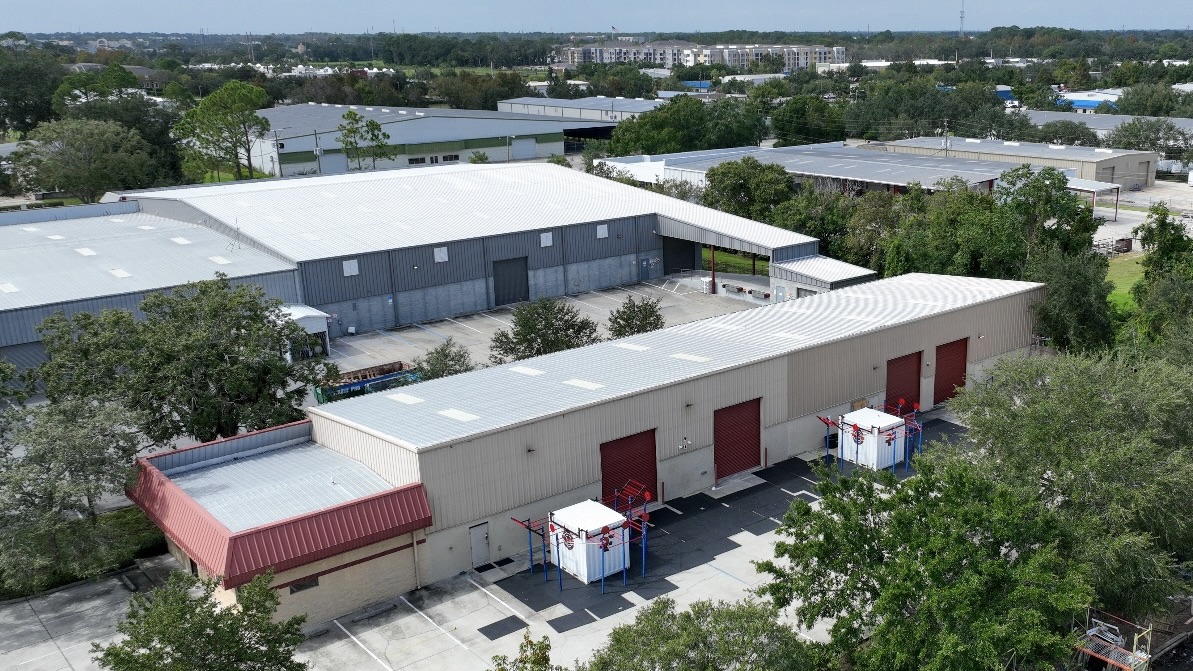
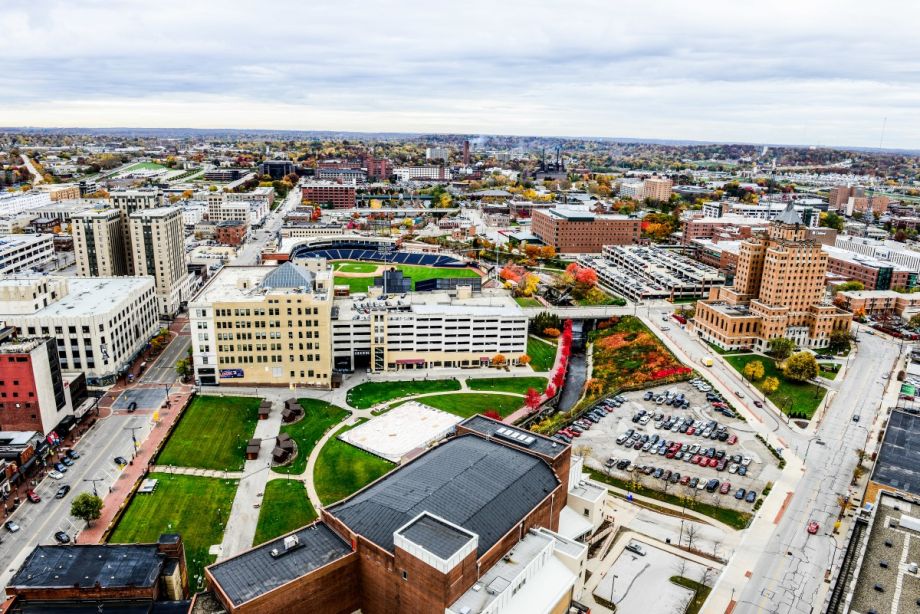
This agreement fits the building stock that keeps Akron running: distribution and flex buildings along I-77 and Route 8, legacy industrial converted to multi-tenant use, strip retail with a dozen leases over one membrane, medical and office space where a stained ceiling tile reads as neglect. Owners with several of these get one schedule, one report format, and one number to call — and their facility teams stop chasing roofing vendors building by building.
Get a Flat Annual Price
We quote agreements after a single walkthrough — roof area, condition, penetration count, and access set the number, and it holds for the term. Call 330-693-9162 or send the address through the contact page, and we will schedule the walk around your operation, not the other way around.
Questions Owners Ask
Will service visits interrupt our tenants or production?
No. Visits are scheduled around the operation — early mornings for retail, shift gaps for plants, agreed windows for medical buildings — and the work stays on the roof. Occupants typically learn a visit happened when the owner receives the report.
How fast do agreement holders get help in an emergency?
Agreement buildings are dispatched ahead of the general queue, typically same-day. Because the crew already holds the building's drain map, penetration inventory, and access notes, dry-in starts on arrival instead of after an hour of orientation.
The roof already leaks in a couple of spots. Can we still start?
Yes. The first visit doubles as a baseline: existing leaks get traced and repaired or quoted, the roof's condition is documented, and the agreement carries it forward from there. Starting with a known deficiency list beats postponing until the roof is "ready."
We have multiple tenants with different leases. Who gets the reports?
Whoever holds the maintenance obligation — owner, manager, or anchor tenant — receives every report, and copies can go to multiple parties. For triple-net situations the documentation doubles as proof the obligation is being met.