

General Contractor Roofing Support for Akron commercial properties
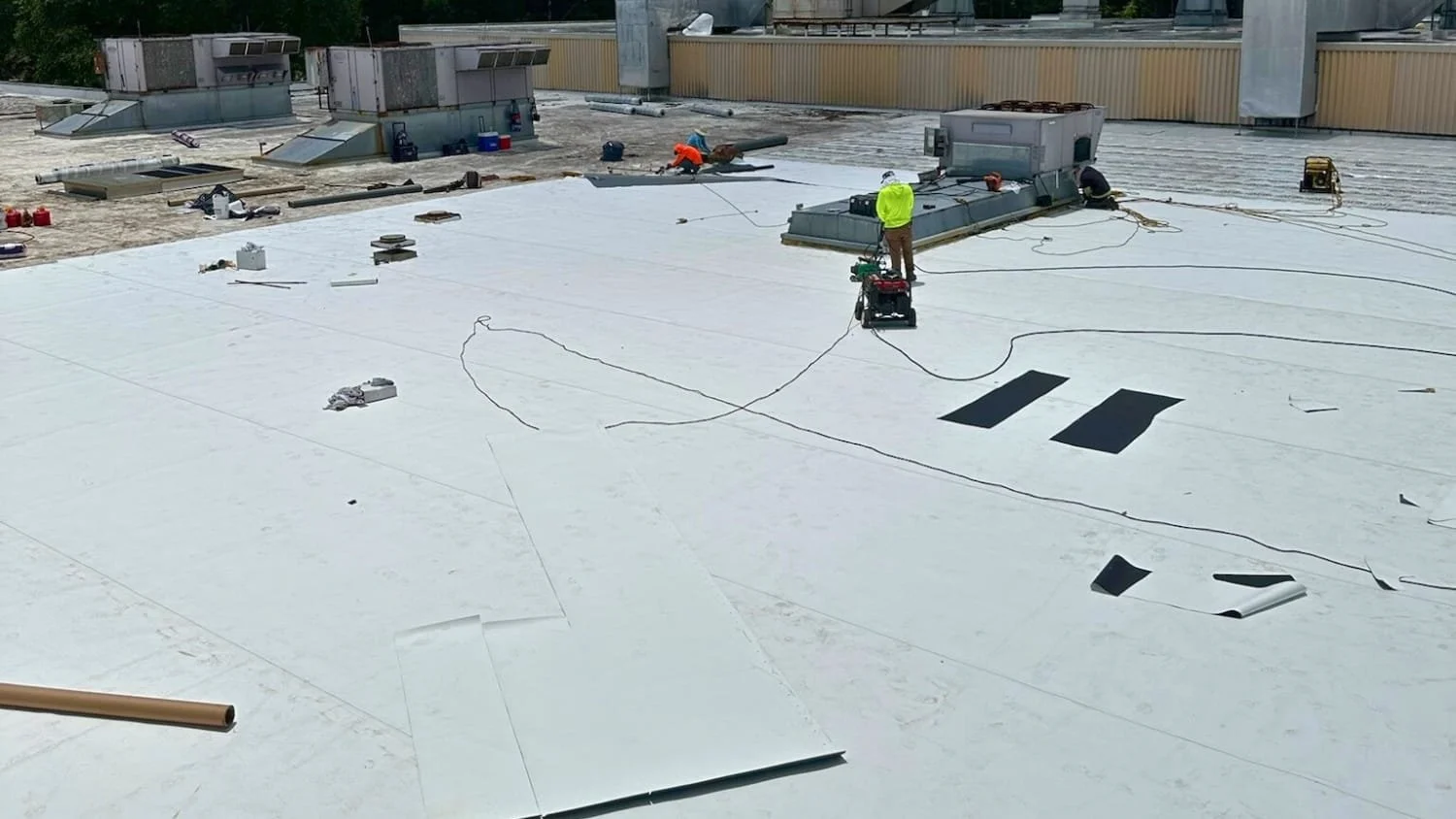
A field note on GC roofing support: we start with the roof area that can cost the project real time, along with the access route and staging the site allows. We look at membrane condition, drains, edge metal, curbs, rooftop units, snow exposure, and any occupied space below before a product name or unit price carries much weight, so the general contractor gets a scope that holds on site.
The person we support is usually a project manager or superintendent who needs roof evidence they can hand up to ownership, accounting, and risk while coordinating other trades. We write the scope for that reader, because a tie-in over an occupied tenant may only allow short weather windows, while sequencing, crane time, and other trades on the deck can govern the plan as much as the weather does.
When we hold the roof scope on a GC's job, the Northeast Ohio weather year — near 41.57 inches of precipitation and about 47.2 inches of snow — sits inside the wider construction schedule. Snow load, freeze-thaw cycling, ice backup, wet insulation, and hail all stay tracked while dry-in works around the other trades. Winter refreeze, July heat on the membrane, and spring rain keep coping, edge metal, and curb flashings up front, and March's 3.0 inches of rain with roughly 7.6 inches of snow decide how much roof can stay open between mobilizations.
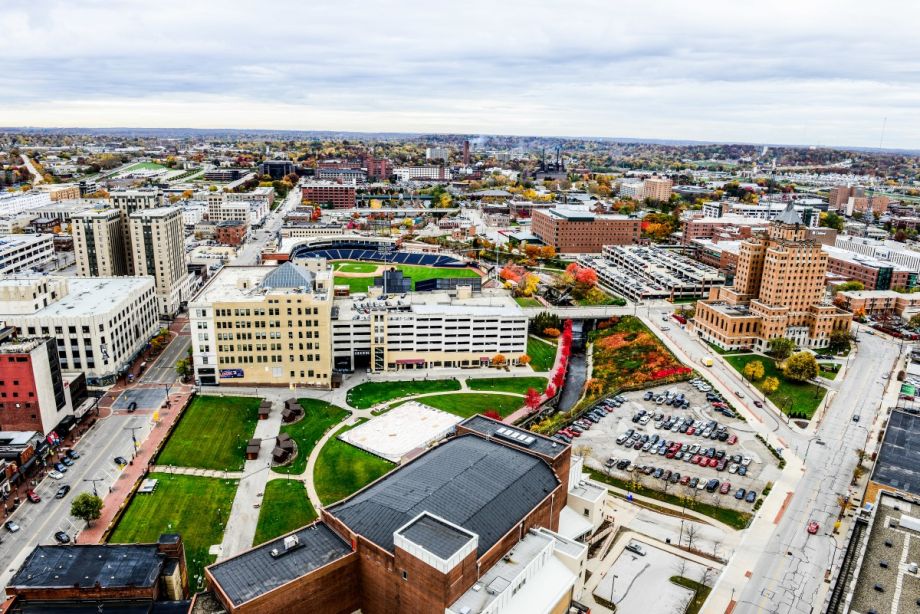
A general contractor's projects rarely sit in one part of Akron. A downtown build-out near Cascade Plaza behaves differently than a warehouse job out toward Green or a tenant fit-up near Middlebury. Main-Market, the neighborhoods near the University of Akron, and the industrial corridor around Port Green each set their own access and staging rules, so we read the specific site rather than treat every project the same.
General contractors running projects across the Akron market need a roofing partner who protects the schedule and the trades below, not one who becomes the reason a job slips. General Contractor Roofing Support means clear scope, dependable crews, and honest condition calls, so a GC can commit dates to an owner and know the roofing line will hold up under lake-effect weather and a tight sequence.
Project roofs sit close to I-76, I-77, SR-8, US-224, and East Market Street, and that access shapes the work. On a GC's site, membrane staging, rooftop equipment, snow-removal paths, and safe material routes all have to work around laydown areas, hoisting, and the other trades sharing the building.
When a general contractor brings us onto a project roof, the walk starts by area and works outward from the tie-ins that matter to the schedule. We log membrane type, age clues, rooftop units, ponding lines, drain strainers, edge-metal condition, wall transitions, pitch pockets, and any grease or chemical exposure, then pull existing leak reports and note drift patterns near tall sections. A moisture scan or core cut near Chapel Hill can shift the recommendation and the sequence, so we adjust the plan to what the deck tells us rather than to the drawing set.
Supporting a GC means being straight about repair, recover, coating, and replacement instead of quietly padding the number. A dry roof with a contained seam issue can be repaired and handed back to the schedule fast. A field with wet insulation, deck damage, or failing edge metal needs a documented scope, because a patch that masks the real condition puts the GC's warranty and reputation on the line, not just ours.
Cost on a GC roof scope is practical: rooftop access, fall protection, tear-off volume, wet insulation, tapered work, drain repairs, coping, wall flashing, temporary protection, after-hours labor to fit the schedule, wind exposure, and snow handling. We mark each driver in the estimate so the general contractor can see why one section prices differently from an easier roof area and can carry it accurately in the bid.
General contractors carry the risk when a roof scope touches insurance, owner requirements, tenant relations, or a lender's draw schedule, so the paperwork has to hold up. We hand over roof-area notes, photo locations, repair limits, known exclusions, access constraints, and weather-sensitive details that a project manager can drop straight into a submittal. On claim-related work we record what we saw as the roofing subcontractor, and we do not act as a public adjuster or promise how a carrier will rule.
Schedule discipline protects the building and the wider project during the work. Materials stay clear of drains, open sections match the forecast, and close-in decisions get made before snow, hail, wind, or heavy rain arrives. On any occupied or nearly finished space, a small open section can reach an interior before the next weather break and set the schedule back.
If GC roofing support is on the table because a roof already leaked mid-project, we start with water control and documentation to protect the finished work. If it is planned scope, we start with core samples, drain review, edge metal, and a sequence that fits the build schedule.
Our added review on a project roof covers old patch records, rooftop traffic, maintenance logs, warranty paperwork, interior leak history, drain paths, freeze-thaw exposure, and access notes that change the cost conversation. That gives the general contractor a roof decision tied to the actual project, not a square-foot quote with the important assumptions left out.
Questions Owners Ask
What changes the realistic cost for General Contractor Roofing Support?
On GC-led work the price rides on field conditions more than the roof label. Access around other trades and active staging, wet insulation, deck repair, edge metal, drain work, and any after-hours or phased sequencing all move it. We verify those on General Contractor Roofing Support before we give a GC a unit rate to carry into a bid or a change order.
Can General Contractor Roofing Support be done while the building stays open?
Often, but on a live jobsite the sequence has to fit your schedule and trades. We review site entrances, material and loading doors, roof access, noise, weather windows, and safety zones before recommending phased or off-hours roofing work.
How do we decide between repair, recover, coating, and replacement for General Contractor Roofing Support?
On a project roof we look at moisture, deck condition, attachment, slope, seam condition, drain performance, winter exposure, and edge-metal risk so your team gets a clear read before tie-in or turnover. If the existing roof is dry, preservation may stay on the table; if moisture is spreading, replacement planning becomes more defensible.
What documentation is included after a General Contractor Roofing Support inspection?
Documentation we hand a general contractor includes roof-area notes, photo locations, leak or damage observations, priority levels, repair limits, access and sequencing constraints, and budget lines for your bid or change order. Storm work gets contractor-side evidence without promises about claim outcomes.
How quickly can you look at General Contractor Roofing Support after a winter storm or hail event?
Timing on a contractor's job depends on roof access around the sequence, weather, and whether water is entering finished or occupied space. We triage active leaks first to protect completed work below, then keep the temporary dry-in separate from the permanent repair so the GC's schedule and billing reflect scope.