
Government and Municipal Roofing for Akron commercial properties
We do not price a municipal roof from a satellite view. On a public building we start on the roof itself, then trace water paths, curb flashings, old repairs, service-entrance access, occupant exposure, and the parts of the facility that have to stay open to the public and staff.
The people planning government roof work are usually facilities directors and building managers accountable to a public budget. That shapes the scope. A building near the Akron-Canton Airport may only get windows that keep operations running, while a courthouse or service center off US-224 is limited by public hours, security zones, and staff access rather than by any dock.
The Akron-Canton weather baseline drives the municipal roof plan. National Weather Service 1991-2020 normals show about 41.57 inches of precipitation and about 47.2 inches of snow a year, keeping the focus on snow load, freeze-thaw, ice backup, drainage, wet insulation, and summer hail. Winter snow, refreeze at drains, July heat on the membrane, and spring rain push drains, scuppers, gutters, edge metal, coping, and curb flashings to the front. Near 2.43 inches of normal February precipitation and about 12.0 inches of snow, we size open work so a public building stays usable through the weather.
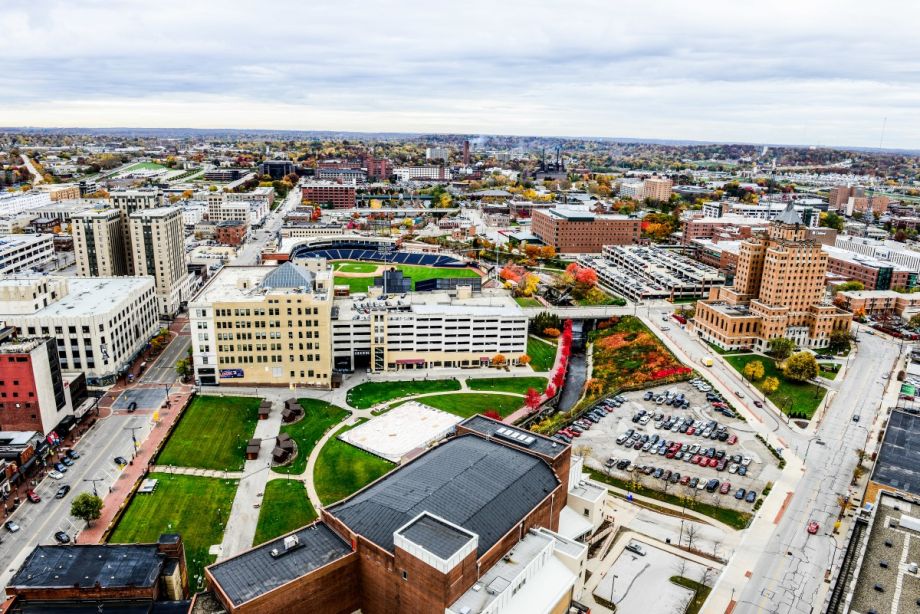
Public buildings sit across many Akron settings. A downtown administrative office, a fire station near Firestone Park, a service garage along Arlington Road, and a community facility in one of the suburbs each change the roof plan. We read that local pattern on municipal work because within a few miles the constraints can move from a tight civic block to an open maintenance yard with room to stage.
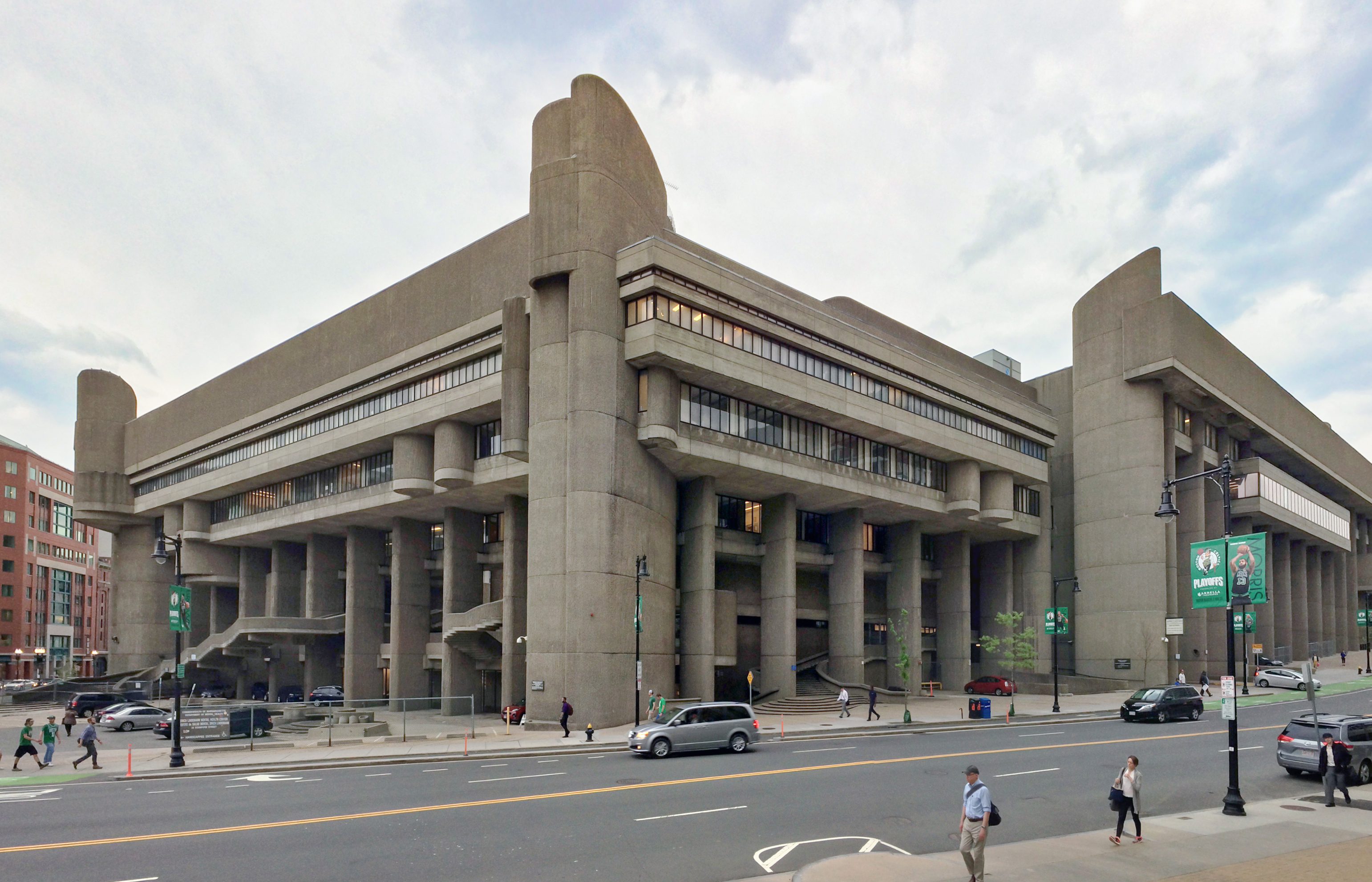
Public buildings, from city offices and fire stations to libraries and maintenance garages, generate a steady, budget-driven kind of roof demand across Akron and Summit County. These roofs vary widely in age and construction, they often sit over occupied and mission-critical space, and the work usually has to fit a capital plan and a procurement process rather than a single owner's quick decision.
Government facilities are reached from I-76, I-77, SR-8, I-277, US-224, Arlington Road, East and West Market Street, Copley Road, and the Akron-Canton corridor. For a municipal roof that means the plan has to anticipate public and staff traffic near entrances, membrane staging clear of walkways, rooftop units serving occupied offices, future building changes, snow-removal paths, and delivery routes that keep public parking open.
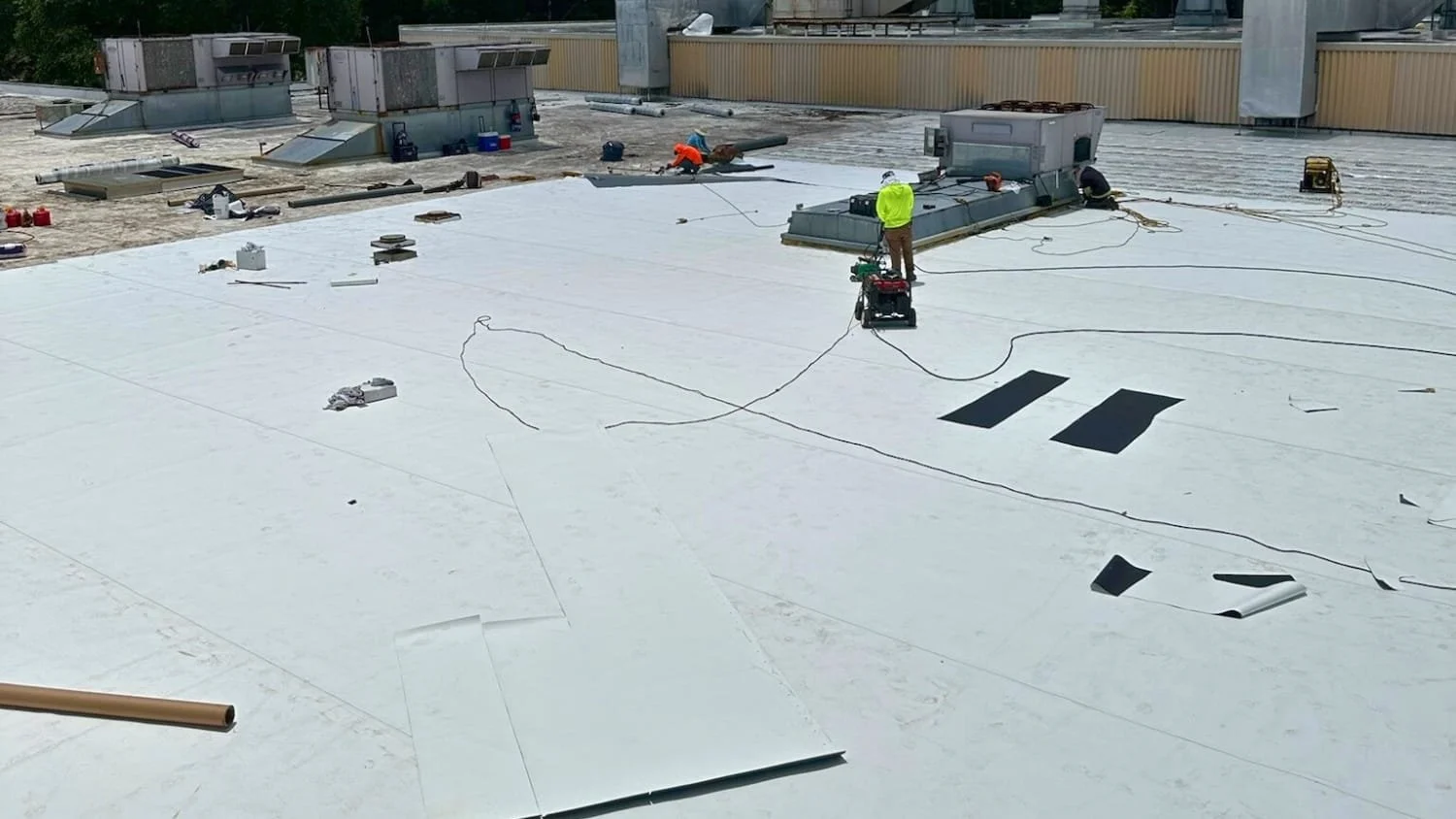
Public buildings are inspected area by area, since a city hall, garage, or service facility each puts different demands on its roof. The first pass records membrane type, age clues, rooftop units, ponding lines, drain strainers, edge-metal condition, wall transitions, and pitch pockets, along with exhaust exposure and occupant leak reports. Snow-drift patterns and interior ceiling evidence over public and staff areas go into the file. If a moisture scan or core cut changes the story, the recommendation follows the evidence rather than the initial guess.
For a government or municipal roof, repair, recover, coating, and replacement are separate decisions, and public budgets make documenting the right one essential. A dry field with an isolated seam failure can often be stabilized and tracked. But wet insulation, a deteriorated deck, a slope that no longer drains, or loose edge metal over an occupied public building warrants a full budget conversation and a clear condition record before patchwork obscures the real state of the assembly.
Municipal roof cost tracks practical items: rooftop access over occupied offices, fall protection, tear-off volume, wet insulation, tapered work at drains, coping, wall flashing, temporary protection, off-hours labor to avoid public hours, wind exposure, and snow handling. We flag each driver in the estimate so a facilities director can defend to a board why a complex, hard-to-reach roof section prices differently from an easy one.
Municipal roofing brings its own paperwork burden once it meets an insurance claim, public bidding and prevailing-wage rules, records requests, or a capital plan. We provide roof-area notes, photo locations, repair limits, known exclusions, access constraints, and weather-sensitive details that stand up to public review. On claim-related work we document what we observe as the contractor, without acting as a public adjuster or promising an insurance outcome.
Occupied public buildings stay protected during the work through disciplined scheduling. Material is kept off the drains, open sections are matched to the forecast, and close-in decisions land before snow, hail, wind, or heavy rain arrives. On an active municipal building that habit counts, because one open bay above the offices can become an interior problem before the next dry window.
The next useful step on a municipal roof is a walk that names the roof areas, active water paths, access limits, and decision points for the record. We can price urgent repair, assemble a maintenance list, or prepare a replacement budget for the capital plan without hiding the assumptions.
Our extra pass on government work covers old patch records, rooftop foot traffic, maintenance logs, warranty paperwork, interior leak history, drain routing, freeze-thaw exposure, and access notes that move the cost conversation. That record gives the facilities team a roof decision grounded in the building, not a square-foot quote with the key assumptions left out.
Questions Owners Ask
What changes the realistic cost for Government and Municipal Roofing?
Access around public operations, saturated insulation, deck repair, edge metal, drain work, after-hours scheduling, and staging over occupied civic space drive a municipal roof's cost far more than the roof label. We verify and document each condition on the roof, since public work has to withstand scrutiny, before any unit price is treated as reliable.
Can Government and Municipal Roofing be done while the building stays open?
Usually yes, but the phasing has to be planned around open public services. We review civic entrances, sally-port doors, roof access, noise near chambers, fume routing, weather windows, and secured zones before recommending daytime, phased, or off-hours work.
How do we decide between repair, recover, coating, and replacement for Government and Municipal Roofing?
On a municipal roof we assess moisture, deck condition, attachment, slope, seams, drain performance, lake-effect snow exposure, and parapet edge-metal risk. If the field near roof access is dry and stable, preserving a taxpayer asset stays viable. Once moisture spreads across the deck, replacement planning becomes more defensible.
What documentation is included after a Government and Municipal Roofing inspection?
Documentation typically covers roof-area maps, photo locations, leak and damage notes, priority levels, repair limits, access constraints around occupied civic space, and budget categories that fit capital and procurement cycles. Storm work gets contractor-side evidence, with no promises on claim outcomes.
How quickly can you look at Government and Municipal Roofing after a winter storm or hail event?
Timing depends on access, the weather, crew load, coordination with facility staff, and whether water is already entering occupied public space. We triage active leaks first to protect operations and the public, then separate the temporary dry-in from the permanent repair so the emergency and planned scopes remain distinct for the record.