
Energy-Efficient Cool Roof Installation in Akron, OH for Akron commercial properties
The case for cool roof installation in Akron is real but different from the narrative you'll read in studies conducted in Atlanta or Phoenix. July average temperatures of 73.9°F mean that peak cooling demand in northeast Ohio is meaningful but modest — a white TPO or silicone-coated roof will reduce cooling loads during Akron's warm months, but the direct energy savings payback period is longer than it would be in a climate with 90-day summers. What makes cool roof installation genuinely compelling in Summit County is a benefit that energy modeling often underestimates: thermal cycling reduction across the full annual temperature range, which extends membrane service life and reduces the frequency of costly repairs and replacements.
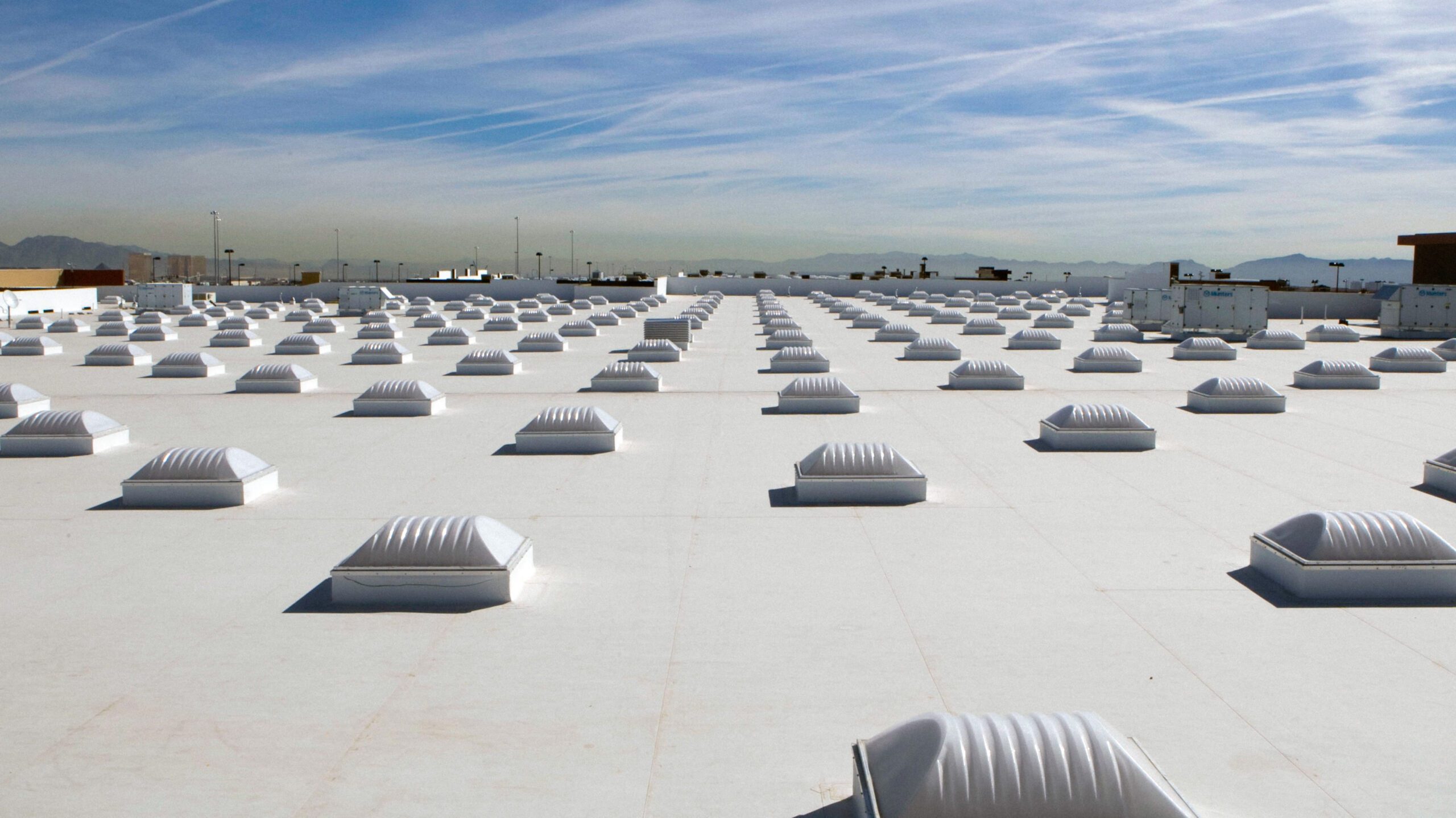
Thermal cycling is the mechanism that kills commercial roof membranes. A dark-surfaced membrane on a clear winter day in Akron can absorb enough solar radiation to rise to 90°F even when ambient temperature is 20°F — then drop back toward freezing as a cloud bank moves through. That 70-degree surface temperature swing in a single afternoon expands and contracts every seam, every flashing termination, and every penetration detail on the roof. Multiply that by hundreds of similar events across the November-through-April shoulder season and you understand why Akron flat-roof membranes tend to open at seams and flashing laps earlier than their theoretical design life suggests. A reflective white surface reduces peak surface temperature by 50°F or more, flattening the thermal cycling curve and reducing the accumulated fatigue stress on all adhesive-bonded and mechanically attached details.
Ohio Edison (FirstEnergy) commercial accounts may have access to demand-side management programs that offer incentives or rebates for energy efficiency upgrades including cool roofs. Eligibility and incentive levels change annually with program budgets, and the documentation requirements for reflective roof upgrades are specific: ENERGY STAR certification or Solar Reflectance Index (SRI) values from the Cool Roof Rating Council (CRRC) database, the building's pre-upgrade energy baseline, and an installation certification from the contractor. We are familiar with these requirements and structure our project documentation to support incentive applications at the time of installation — not as an afterthought when the application window closes.
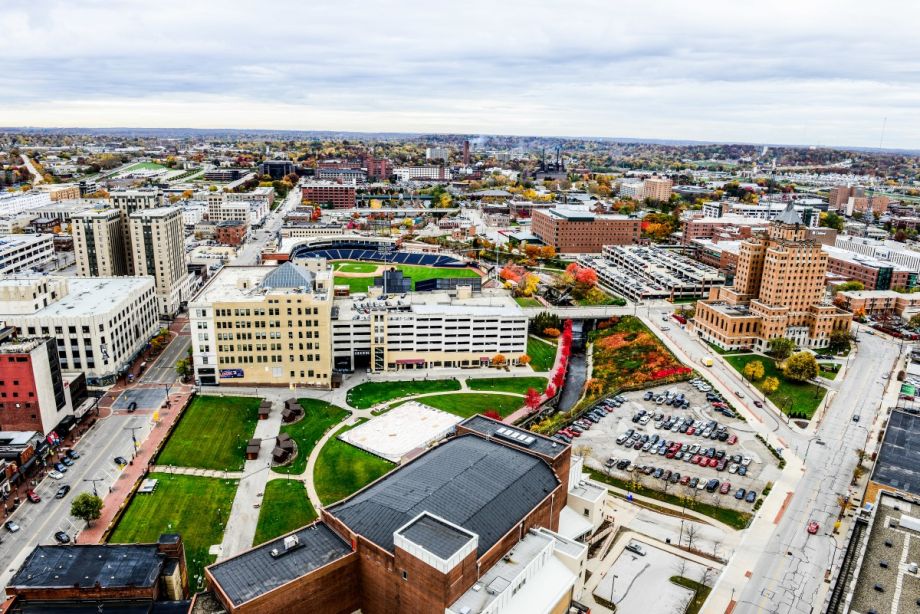
For the University of Akron's building portfolio, cool roof specification carries an institutional sustainability dimension beyond direct energy savings. The university has published sustainability commitments that include energy performance targets for the campus building inventory. Roofing replacements and major repairs on UA buildings are evaluated against those targets, and reflective membrane specifications are a standard recommendation for any reroofing project on the campus. The National Polymer Innovation Center and Bounce Innovation Hub — both newer or recently renovated facilities — already have reflective membranes, setting an expectation for the broader campus. We provide the SRI testing documentation that UA facilities management requires for LEED credit and campus sustainability reporting.
Akron Children's Hospital and Summa Health have similar institutional energy performance frameworks. Both healthcare systems operate significant square footage of commercial roof surface, and their facilities management teams are actively tracking energy costs against operational budgets. The combination of reduced cooling loads and extended membrane service life provides a dual return on investment argument for reflective roof specifications on healthcare facilities — direct energy cost reduction (valuable but modest in Akron's climate) and reduced capital expenditure frequency on roofing replacement (valuable everywhere). We support both hospital systems' capital planning teams with lifecycle cost modeling that includes the energy savings component alongside the more significant membrane longevity benefit.
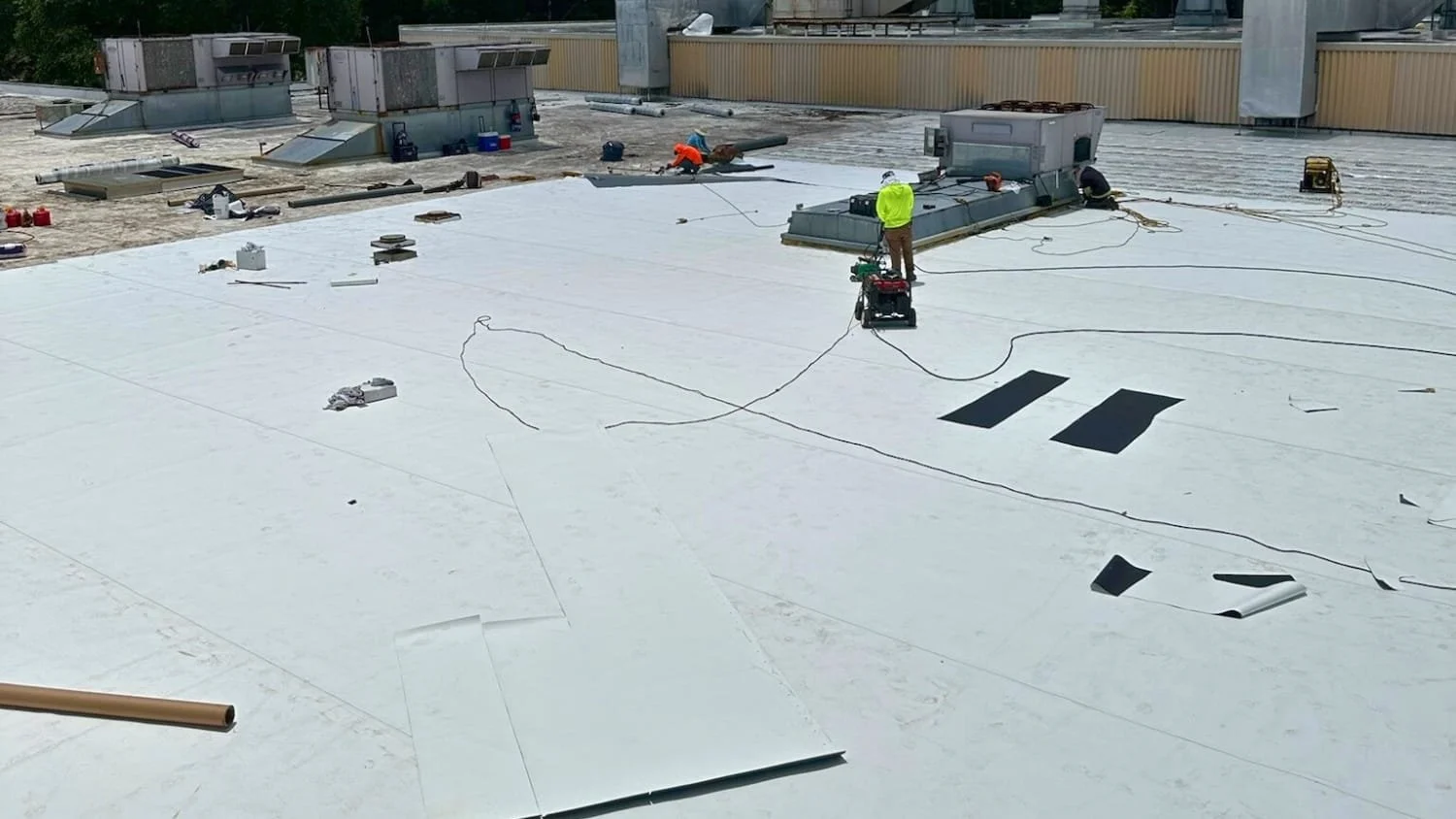
The specific membrane technology matters in Akron's four-season climate. White TPO and white EPDM are the most common cool roof specifications for new commercial roofing in this market. TPO's factory-welded seams provide excellent seam integrity and the white surface provides consistent reflectivity over the membrane's service life — reflectivity does not depend on a coating that can wear or chalk. White EPDM is less common but suitable for applications where the substrate or attachment method favors it. Silicone and elastomeric coatings applied over existing dark membranes provide a retrofit cool roof option with good reflectivity, though reflectivity of coated surfaces tends to decrease more rapidly over time than factory-colored membranes.
Green roof systems represent a premium cool roof alternative for Akron commercial buildings where additional benefits — stormwater retention, urban heat island reduction, and amenity space — justify the higher installed cost. Akron's precipitation volume makes green roof stormwater performance particularly relevant: a properly designed extensive green roof retains 50–70% of annual rainfall, reducing runoff volume into Summit County's stormwater infrastructure. For commercial buildings in the downtown Akron area or along the Cuyahoga Falls corridor where stormwater fees are based on impervious surface, a green roof can generate ongoing fee credits that contribute to the economic case. We consult on green roof feasibility and can provide referrals to structural engineers for load assessment, which is the first step in any green roof evaluation.
New construction cool roof specifications in the Akron metro market increasingly reflect updated Ohio Energy Code requirements, which have moved steadily toward higher reflectivity and insulation R-value standards for commercial buildings. Code-compliant cool roof specifications for new construction in Climate Zone 5 (which covers Summit County) include minimum Solar Reflectance and Thermal Emittance values for low-slope membrane systems. We design to current Ohio Energy Code standards as a baseline and can exceed those standards for owners seeking LEED points, utility incentive qualification, or enhanced performance over the building's life.
The first step in a cool roof evaluation for any existing Akron commercial building is understanding the current system's condition and insulation R-value, since upgrading to a reflective surface is most valuable when paired with adequate insulation — a reflective membrane over inadequate insulation improves cooling performance but reduces the heating-season benefit of the reflective surface. We assess both factors in our pre-proposal evaluation and recommend the combination of reflectivity and insulation upgrade that maximizes total energy performance across Akron's full seasonal climate.
Questions Owners Ask
How much will a cool roof actually save on energy costs for an Akron commercial building?
Energy savings from reflective roofing in Akron's climate are real but modest compared to warmer markets. A typical commercial building can expect 5–15% reduction in cooling energy costs during the summer months, with some offset in heating costs during winter (reflective roofs absorb less solar heat in winter too). The total annual energy savings number is typically less compelling on its own than the combined value of energy savings plus the significant membrane service life extension from reduced thermal cycling. Lifecycle cost modeling shows a positive return in most cases when both factors are included.
Does Ohio have state-level rebates for cool roof installation?
Ohio does not have a dedicated cool roof rebate program, but FirstEnergy/Ohio Edison's commercial efficiency programs and Duke Energy Ohio's business programs periodically offer incentives for energy efficiency upgrades that may include reflective roofing as part of a broader improvement package. Federal tax treatment under Section 179D for energy-efficient commercial buildings may also apply to qualifying projects. Program availability changes annually — contact us and we'll identify the current incentive landscape for your specific utility territory.
Will a white roof look dirty after a few years in Akron?
Yes — reflective white roofs accumulate soiling over time, particularly from air-deposited particulates and biological growth (algae, moss) in Akron's humid environment. Soiling reduces reflectivity by 10–25% over the first several years, then typically stabilizes. Regular cleaning with appropriate methods (low-pressure washing, not high-pressure that can damage membrane seams) restores reflectivity close to original levels. Algae inhibitors can be incorporated into coating applications to reduce biological soiling. We discuss long-term reflectivity maintenance as part of every cool roof installation proposal.
Can I add a reflective coating to my existing dark EPDM or BUR without replacing the system?
Yes — white silicone or acrylic coatings can be applied over qualifying existing EPDM, BUR, and mod-bit surfaces to convert a dark system to a reflective one without full replacement. Prerequisites are that the existing system is structurally sound, insulation is dry (confirmed by infrared moisture scan and core samples), and the surface is compatible with the coating system. A coating application costs 25–40% of a full replacement and provides meaningful reflectivity improvement, though reflectivity on coated systems typically degrades faster than factory-colored TPO or EPDM membranes.
What is the CRRC and why does it matter for my Ohio commercial roof project?
The Cool Roof Rating Council (CRRC) is an independent organization that tests and certifies the solar reflectance and thermal emittance of roofing products. CRRC ratings are the documentation standard for utility incentive programs, LEED certification, and Ohio Energy Code compliance for cool roof specifications. When we specify a cool roof product, we reference its CRRC-rated initial and aged reflectance values — the aged values (measured after 3 years of weathering) are what matters for real-world performance and are what incentive programs typically require for compliance documentation.