
Church and Religious Building Roofing in Akron, OH for Akron commercial properties
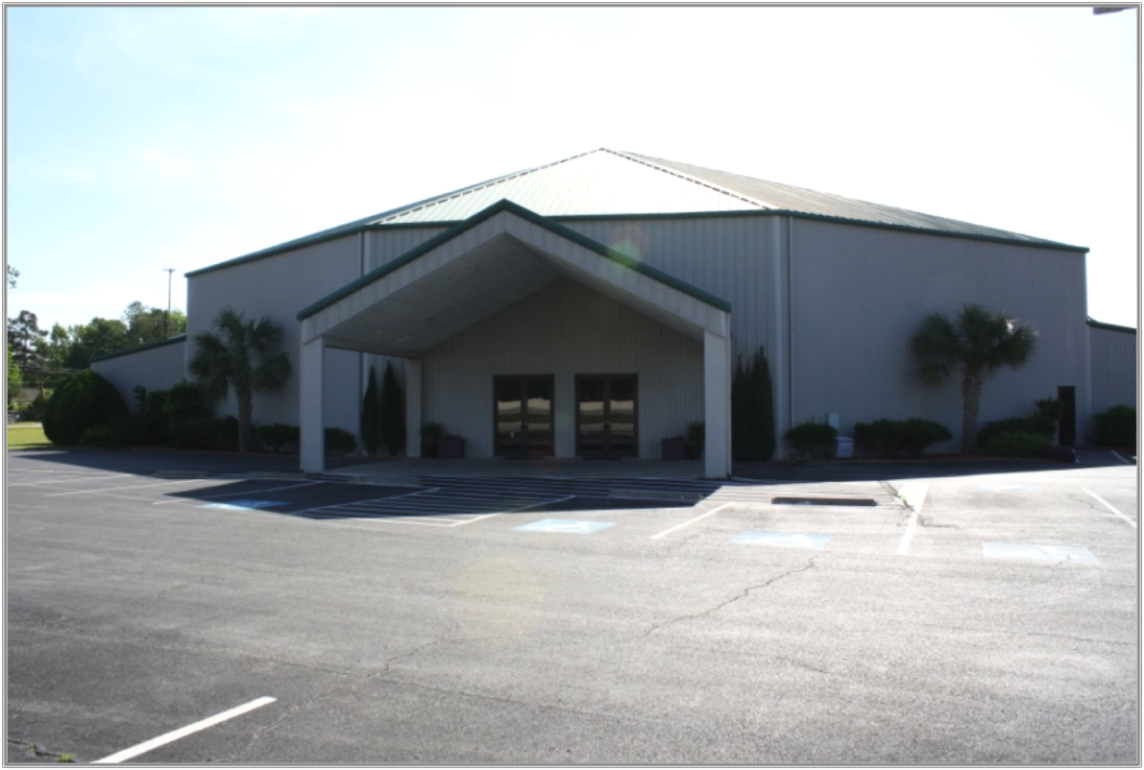
First Baptist Church of Akron, one of the largest congregations in Summit County, has stood as a landmark on the city's religious landscape for well over a century. Like many of Akron's historic houses of worship, it features a broad, uninterrupted nave that seats hundreds of worshippers without a single interior column—a design that demands a specialized roofing approach most multifamily contractors simply aren't equipped to handle. When your congregation's roof spans forty, sixty, or eighty feet of clear space, the structural loading, drainage, and membrane systems involved bear no resemblance to the sloped shingles on a nearby home.
Northeast Ohio's climate inflicts a punishing annual cycle on church roofs. Akron averages roughly 48 inches of precipitation per year, a significant portion of which arrives as ice, sleet, and the heavy wet snow that accumulates against parapets, skylights, and ornamental features. Freeze-thaw cycling is relentless from November through March, forcing water into micro-cracks around flashings, steeple bases, and cupola connections. Churches that defer maintenance through even one or two of these winters frequently discover that what began as a minor flashing repair has become a full membrane replacement by the time it reaches the building committee agenda.
Architectural features that define a church's identity also define its roofing complexity. Steeples require continuous sealed connections at the roof deck penetration and periodic re-flashing of the cap joints that rise up the structure. Cupolas, common on Akron's older Baptist and Methodist churches, collect standing water at their bases when sealants age out. Skylights and clerestory windows bring natural light into sanctuaries but create dozens of linear feet of flashing perimeter that must be re-examined on a five-to-seven-year cycle. A roofing contractor experienced in ecclesiastical work understands how to address each of these elements without compromising the building's visual character.
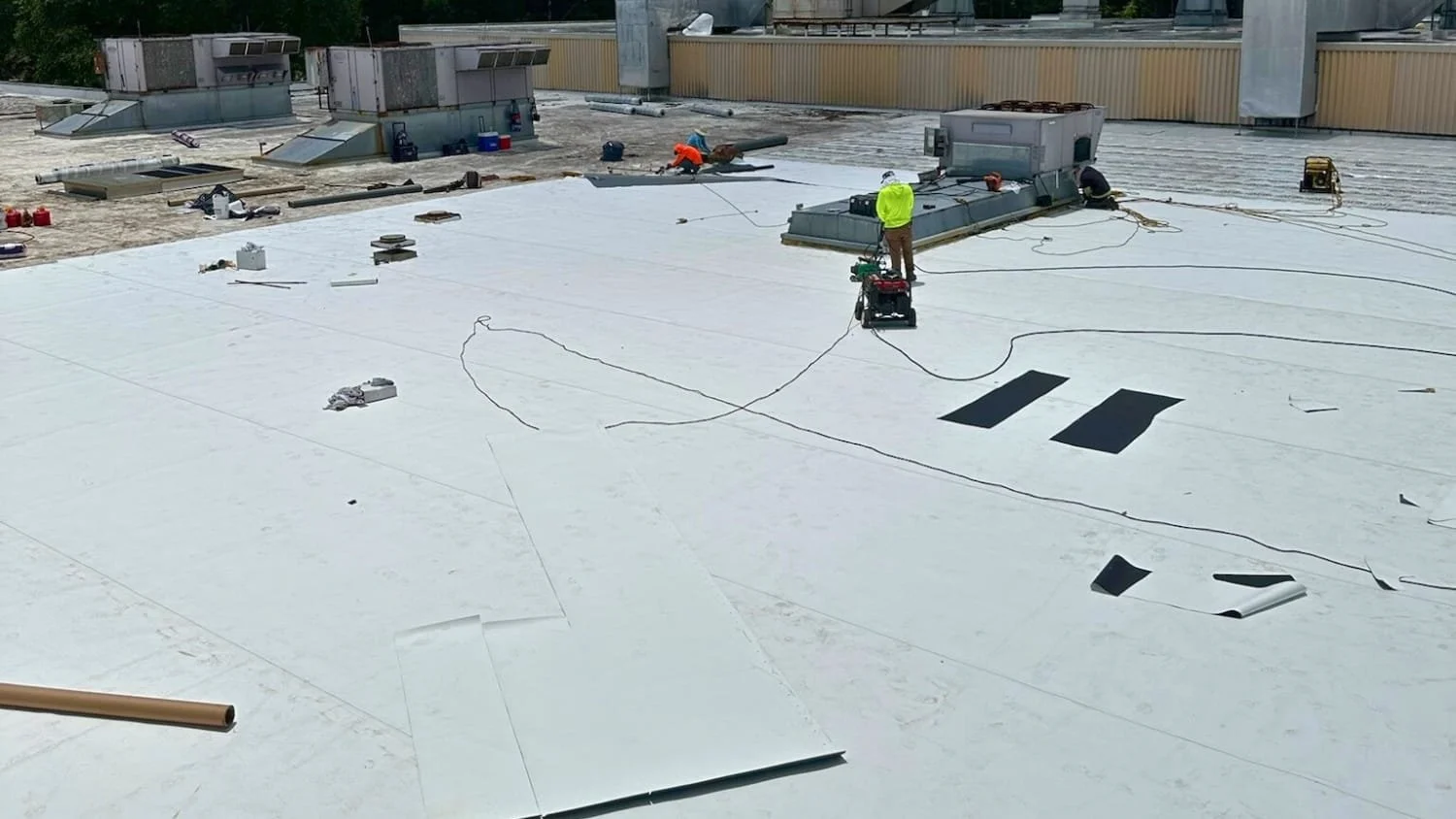
Scheduling a major roof replacement around congregational life is a project management challenge unto itself. Most Akron churches maintain Sunday morning services, Wednesday evening programming, and weekend events that cannot simply be suspended for three months. The practical solution is to phase the work: complete tear-off and membrane installation on the main nave sections between Memorial Day and Labor Day, when midweek attendance is lowest, and reserve smaller ancillary sections for the shoulder seasons. Summer heat in Akron also improves membrane adhesion for both TPO and modified bitumen systems, producing better long-term seam integrity than cold-weather installations.
Capital campaign timing has a direct bearing on when a congregation can fund and execute a major roofing project. Church boards in Akron typically operate on a fiscal year that mirrors the calendar year, with major facility expenditures approved in the fourth quarter for the following year's budget. If your congregation is in the early stages of a capital campaign, aligning the roofing contract award with the campaign close allows you to avoid the expensive short-term financing that comes with starting construction before funds are fully in hand. Experienced ecclesiastical roofing contractors will work with your building committee to hold pricing for 90 to 120 days while pledges are collected.
Historical and denominational considerations add another layer to the planning process. Many of Akron's older churches are listed on or eligible for the National Register of Historic Places, which may trigger review requirements under Ohio's State Historic Preservation Office even when no federal funding is involved. Certain denominations maintain their own facilities standards that govern acceptable roofing materials, parapet heights, and surface finishes. A contractor unfamiliar with these frameworks can inadvertently specify materials that require costly change orders or, in the worst case, create compliance issues with your diocese or regional body.
Working with a church building committee requires patience and a communication style that is different from a standard commercial project. Decisions that a property manager makes unilaterally in an office building must go through a facilities subcommittee, a full board vote, and sometimes a congregational meeting. This is not an obstacle—it is simply the governance structure of a faith community. Experienced ecclesiastical contractors build this timeline into their project schedules from day one, providing written proposals in plain language, showing up to committee meetings when requested, and understanding that the final approval authority may be a volunteer elder rather than a professional facilities director.
Akron's local building code, administered through the City of Akron Building Department, requires permits for roof replacements that involve structural work or change the roof assembly type. Churches are not exempt from these requirements, and obtaining the permit protects both the congregation and the contractor in the event of a future insurance claim or property sale. Some Summit County insurers have begun requiring documentation of permit closure as a condition of renewing commercial property policies, making compliance not merely a legal matter but a financial one as well.
A properly executed church roof replacement in Akron should come with a manufacturer's warranty of at least 20 years on the membrane system and a separate workmanship warranty from the installing contractor. Before signing any contract, your building committee should verify that the contractor carries commercial general liability coverage of at least $2 million per occurrence and workers' compensation coverage for all on-site personnel. References from other Akron-area congregations who have completed projects in the last three to five years are the most reliable indicator of a contractor's ability to deliver on their commitments to a faith community.
- How long does a full church roof replacement take in Akron?
- Most single-building church roofs in Akron can be completed in two to four weeks of active installation, though the full project timeline from contract signing to final inspection typically runs eight to twelve weeks when permitting, material lead times, and committee approvals are factored in.
- Can roofing work happen while services are still being held?
- Yes, with proper phasing. Tear-off and installation can be sequenced so that active worship areas are untouched during scheduled services. Contractors experienced in ecclesiastical work will coordinate daily schedules with your facilities staff to ensure noise-intensive operations occur during low-occupancy windows.
- What roofing systems are best suited to Akron's climate for churches?
- TPO single-ply membranes and modified bitumen systems both perform well in Northeast Ohio's freeze-thaw environment. TPO offers energy reflectivity benefits during Akron's warm months, while modified bitumen provides excellent cold-temperature flexibility. The choice often depends on the roof slope, drainage design, and whether the building has historic material considerations.
- Does our church need a separate permit from the City of Akron?
- Yes. Any roof replacement that changes the assembly type or involves structural repairs requires a building permit from the City of Akron Building Department. Your contractor should pull this permit before work begins, and a final inspection closes the permit upon completion.
- How should we time a capital campaign relative to the roofing contract?
- Ideally, award the roofing contract within 60 days of your campaign close so that funds are in hand before significant expenditures begin. Ask your contractor to hold pricing for 90 to 120 days during the campaign period—most reputable ecclesiastical contractors will accommodate this request for congregations in active fundraising.