
Occupied Building Re-Roofing in Akron, OH for Akron commercial properties
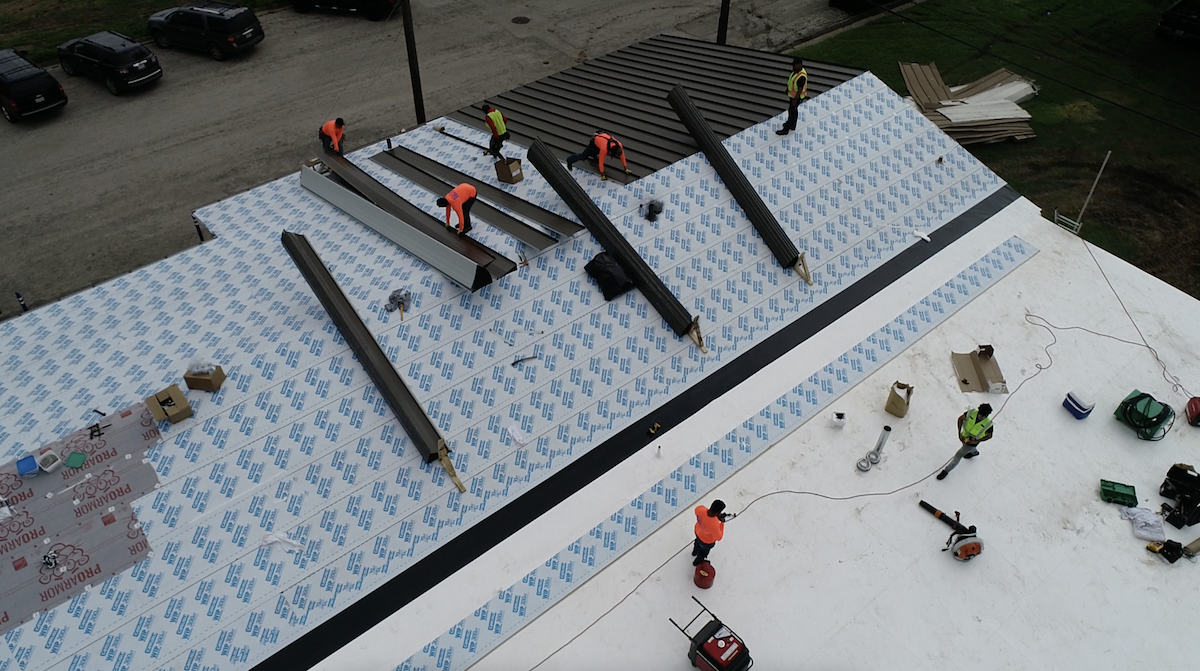
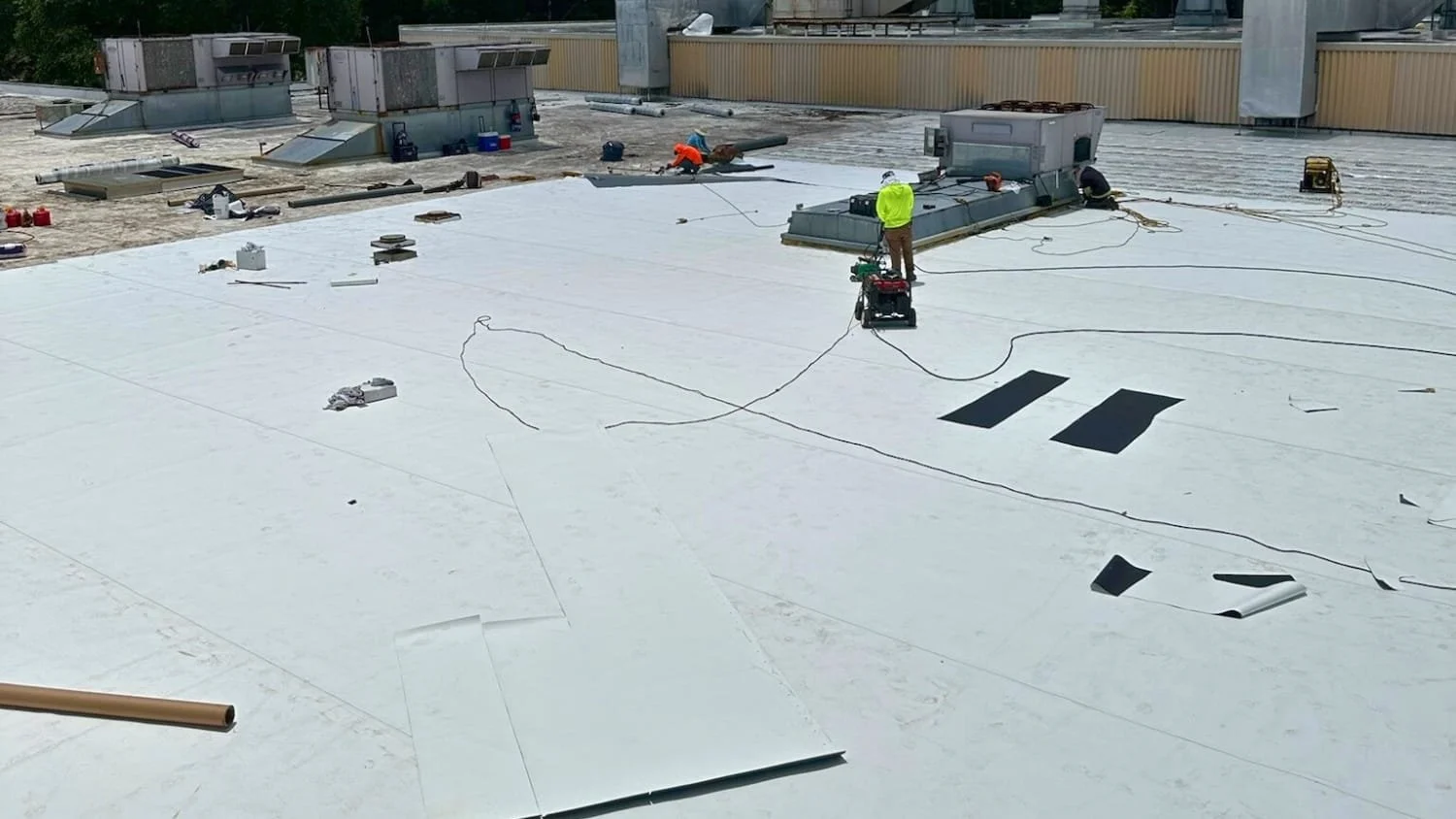
Occupied Building Re-Roofing in Akron, OH requires a phased work plan approved by the building owner before mobilization. Each phase defines the open roof area for that work day, the temporary protection strategy if weather interrupts the schedule, the access route that avoids tenant entrances and parking areas, and the daily dry-in standard that must be met before the crew leaves the site. For occupied building re-roofing in Akron, Summit County, Cuyahoga Falls, Barberton, Fairlawn, Green, Stow, Hudson, Kent, Wadsworth, and the Akron-Canton corridor, the dry-in requirement is non-negotiable: no open membrane section stays unprotected overnight.
OSHA 1926.502 fall protection requirements apply to every occupied building re-roofing project. Workers on low-slope roofs more than six feet above the lower level must be protected by guardrails, safety nets, or a personal fall arrest system. For occupied building re-roofing in Akron, the fall protection plan also has to account for the people below: tenant notifications, sidewalk protection at eave edges, and daily housekeeping to prevent debris from becoming a pedestrian hazard are all part of the scope before a nail gun fires.
Material staging for occupied building re-roofing requires site-specific coordination. Tear-off material cannot block tenant loading docks, fire exits, accessible parking spaces, or HVAC fresh air intakes. For occupied building re-roofing in Akron, Summit County, Cuyahoga Falls, Barberton, Fairlawn, Green, Stow, Hudson, Kent, Wadsworth, and the Akron-Canton corridor, we review the site plan before scheduling delivery, identify crane or forklift staging windows that minimize operational disruption, and establish a debris disposal sequence that keeps dumpsters from occupying tenant or customer spaces for more than one work day.
Contingency planning separates quality occupied building re-roofing from a project that becomes a tenant relations problem. A weather delay at the wrong moment in an occupied building re-roofing sequence can leave a building exposed overnight. We build contingency dry-in materials into the initial mobilization, keep the facility contact informed of forecast changes, and document every weather decision so the owner has a clear record of protective measures taken. Contact Commercial Roofing Contractors Akron at +13306939162 or [email protected] to discuss occupied building re-roofing for your Akron property.
How we keep Occupied Building Re-Roofing in Akron, OH practical
Before pricing Occupied Building Re-Roofing in Akron, OH, we confirm the roof areas involved, where water is moving, how crews can access the roof, and which assumptions could change the budget after closer inspection. That keeps the recommendation tied to the building instead of a broad square-foot number.
For Occupied Building Re-Roofing in Akron, OH, we also separate immediate stabilization from long-term planning. Temporary dry-in, targeted repair, maintenance, coating, recover, and replacement can all be valid, but they should not be blended into one vague scope.
For Occupied Building Re-Roofing in Akron, OH, the service scope separates the active roof condition from the owner's longer-term plan. A leak response visit may only need tracing, temporary protection, and a permanent repair area. A replacement discussion needs more: tear-off assumptions, insulation thickness, edge metal, deck condition, access, daily close-in, and how the building stays open while crews work.
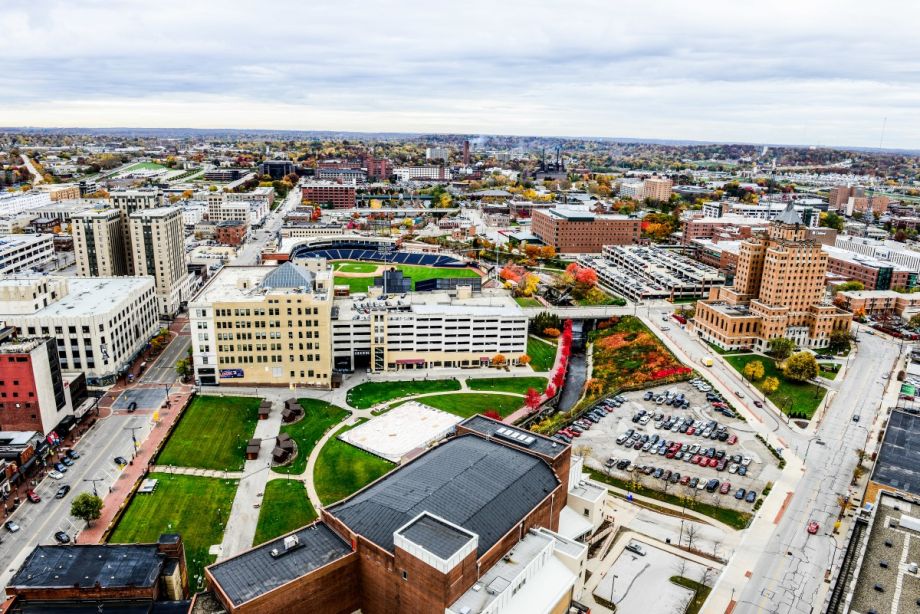
Access for Occupied Building Re-Roofing in Akron, OH is reviewed early because it can change the whole project. Downtown Akron, medical campus buildings, university-area properties, retail centers, warehouses, and industrial facilities each create different rules for staging, lift use, parking, tenant notifications, safety zones, and after-hours work.
For Occupied Building Re-Roofing in Akron, OH, weather is treated as a project constraint, not background information. Snow, freeze-thaw movement, hail, heavy rain, summer storms, and cold-weather close-in affect how much roof can be opened, how materials are stored, and when temporary protection has to be installed before the next work step.
For Occupied Building Re-Roofing in Akron, OH, budget conversations stay more useful when the drivers are named. Wet insulation, deck repair, tapered insulation, drains, scuppers, coping, wall flashing, rooftop equipment, fall protection, material staging, disposal, and occupied-building sequencing can change cost and timing more than the roof label itself.
Field review for Occupied Building Re-Roofing in Akron, OH has to respect what the roof is connected to. Rooftop units, condensate lines, exhaust fans, grease containment, skylights, tenant penetrations, parapet walls, expansion joints, and older repair patches can all change where water travels and where a permanent repair has to land.
For Occupied Building Re-Roofing in Akron, OH, scheduling is part of the technical scope. A roof plan that ignores loading access, tenant entrances, parking, material deliveries, noise, odor, security, and business hours can look acceptable on paper while creating unnecessary disruption once crews arrive. We keep those constraints visible before the work starts.
The Occupied Building Re-Roofing in Akron, OH roof record also calls out unknowns, because hidden moisture, concealed deck damage, blocked drains, and undocumented prior repairs can change the correct next step.
The Occupied Building Re-Roofing in Akron, OH closeout record matters after the work is done. We keep notes, photo locations, access constraints, completed repair areas, and remaining risk items connected to the roof area so owners can use the file for follow-up maintenance, budget planning, tenant communication, procurement review, or the next capital cycle.
Questions Owners Ask
How is the phasing plan developed for occupied building re-roofing?
We review tenant operations, loading dock schedules, access routes, forecast windows, and daily dry-in capacity to build a phase sequence that keeps the building protected and operations running.
What does OSHA require for fall protection on occupied building re-roofing projects?
Workers within six feet of an unprotected roof edge must be protected by guardrails, safety nets, or a personal fall arrest system. The fall protection plan is submitted before work begins.
How are tenant communications handled during occupied building re-roofing?
We provide the building owner with a daily work summary, notify affected tenants in advance of work near their spaces, and designate a single point of contact for questions during the project.
What happens if weather delays an occupied building re-roofing phase?
Pre-staged contingency dry-in materials are deployed to protect any open section. The facility contact is notified, and the phase plan is adjusted to keep the building protected while rescheduling lost time.