
Hotel and Hospitality Roofing for Akron commercial properties
Guest-facing buildings hide roof trouble well. A stain that looks like a single ceiling tile in a corridor is often wet insulation that has already tracked over occupied guest rooms. On hotel and hospitality work we trace the water back to its source so an owner is not paying for a patch when drainage, a failed seam, or loose edge metal is the real leak.
The people who call about hotel roofs are usually general managers and asset managers trying to keep rooms sold while the work happens. That drives the scope. A property near Akron Children's Hospital may only get quiet overnight windows, while a highway-adjacent inn off SR-8 is limited by guest arrivals, event bookings, restaurant deliveries, and pool-deck access rather than by dock traffic.
The Northeast Ohio weather baseline sets the hospitality roof plan. National Weather Service Akron-Canton 1991-2020 normals run about 41.57 inches of precipitation and about 47.2 inches of snow each year, which keeps the focus on snow load over full guest floors, ice backup at drains, ponding, wet insulation, and summer hail. Winter refreeze at roof drains, July heat on the membrane, and spring downpours push scuppers, gutters, coping, and curb flashings to the top of the list. Near 3.02 inches of normal November precipitation and roughly 4.2 inches of snow, we size any open section tightly so the building stays dry through changing conditions.
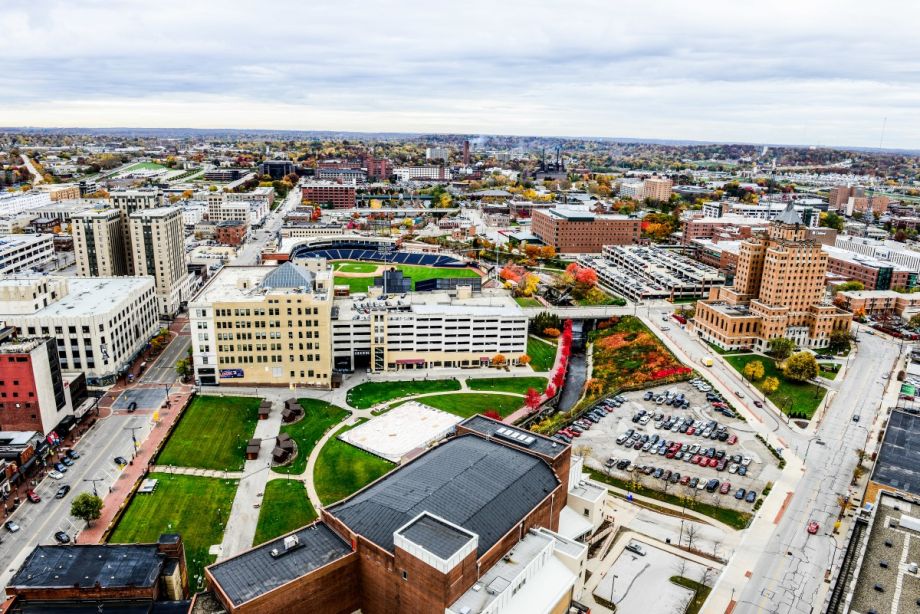
Hospitality roofs sit in very different parts of the city. A boutique property in the Main-Market Historic District, a limited-service hotel near Montrose, an extended-stay building by the University of Akron, and an airport hotel in the Akron-Canton area each set their own rules for staging and access. We read that local setting for every hotel job because within a few miles the constraints move from tight downtown streets to open suburban lots with room for a boom.
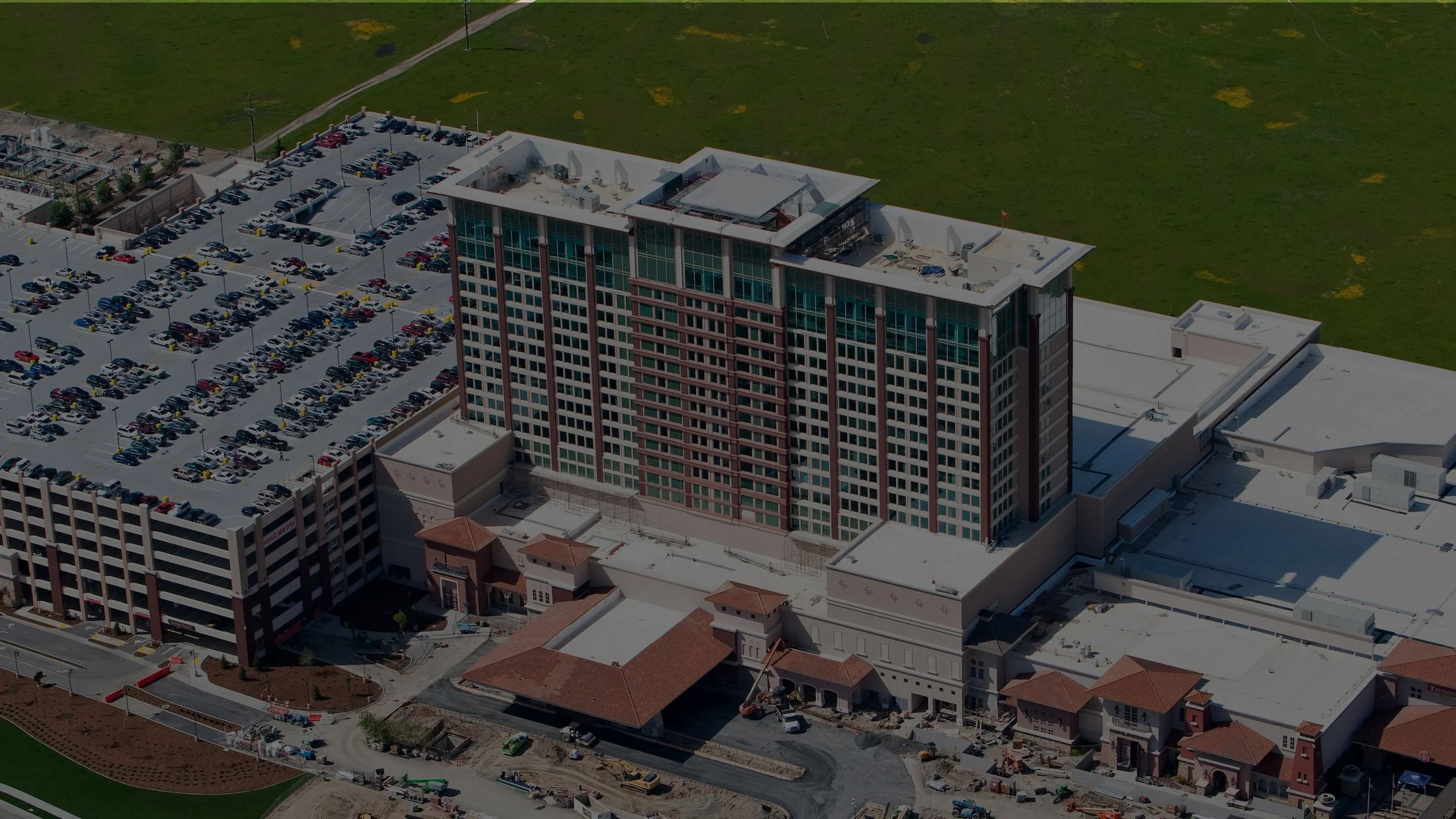
A hotel roof carries guest experience as much as it carries weather. Rooms are occupied around the clock, so a single leak over a floor of guestrooms turns into refunds and offline inventory the same night. Hotel and Hospitality Roofing has to hold up under continuous occupancy and a crowded rooftop of kitchen exhaust, pool equipment, and HVAC, which matters more than the membrane name on any Akron-area property.
Hospitality properties cluster along I-76, I-77, SR-8, I-277, US-224, and the Akron-Canton corridor, with more off Arlington Road and West Market Street. For a hotel roof that means the plan has to account for guest and valet traffic near entrances, membrane staging away from pool and patio areas, rooftop HVAC serving occupied rooms, snow-removal routes, and delivery paths that do not cross guest walkways.
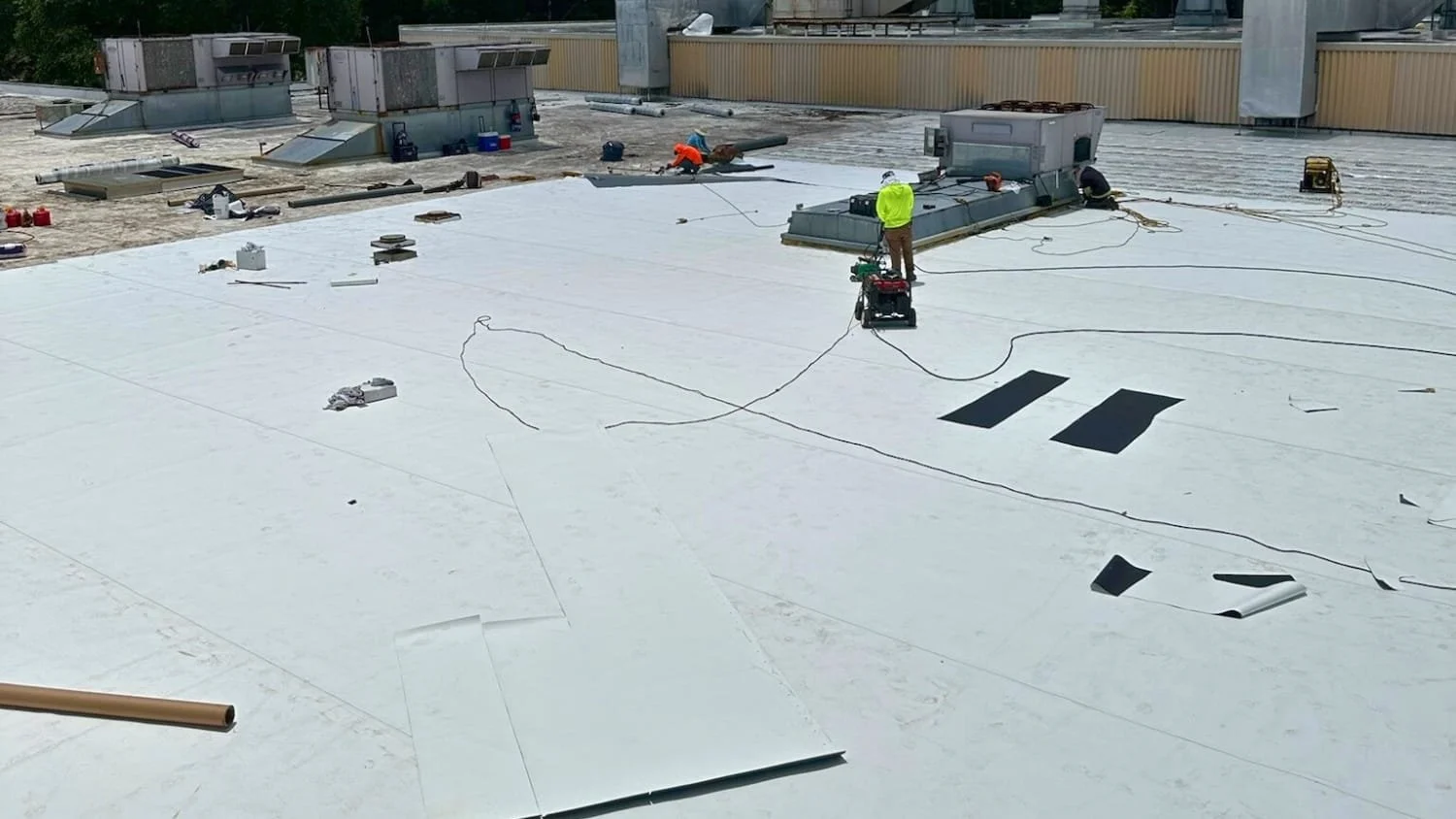
We inspect hotel roofs section by section. The first pass logs membrane type, age clues, rooftop kitchen and laundry exhaust, ponding lines, drain strainers, edge-metal condition, wall transitions at stair towers, grease near restaurant vents, guest leak reports, and interior ceiling evidence in rooms and corridors. If a moisture scan or a core cut over an occupied wing tells a different story, the recommendation moves with the evidence.
Occupancy sets the terms for a hotel roof, and the honest answer to what it needs depends on what we find up there. Coating or a targeted recover can carry a dry roof with an isolated seam failure over a back-of-house area without ever disturbing a guest. Once we see wet insulation, a soft deck, water standing at the drains, or loose edge metal over occupied rooms, replacement enters the budget conversation before any patch is allowed to mask the real condition.
The cost of hospitality roofing turns on a handful of realities: rooftop access over occupied floors, fall protection near guest areas, tear-off volume, wet insulation, tapered work at drains, coping, wall flashing, temporary protection, overnight labor to keep rooms sellable, wind exposure, and snow handling. We call each of these out in the estimate so ownership can see why a crowded downtown parcel prices differently from a hotel with an open service yard.
Documentation carries weight when hotel roofing meets an insurance claim, a brand property-improvement plan, tenant retail spaces, or a capital reserve study. We hand over roof-area notes, photo locations, repair limits, known exclusions, access constraints, and weather-sensitive details. On claim work we record what we observe as the contractor and do not act as a public adjuster or promise any insurance result.
Schedule discipline keeps a hotel open during the work. Materials stay clear of drains, open areas are cut to match the forecast, and close-in decisions get made before snow, hail, or heavy rain moves in. On an occupied hospitality building that matters more than usual, because one open bay over guest rooms can turn into an interior claim before the next dry window.
We can look at a hospitality roof when an owner needs a repair figure, a preventive maintenance plan, or a capital budget for properties across Akron, Summit County, Cuyahoga Falls, Barberton, Fairlawn, Green, Stow, Hudson, Kent, Wadsworth, and the Akron-Canton corridor. What you get back is a roof-specific scope for that building, not a generic recommendation.
Our extra pass on hotel work pulls old patch records, rooftop foot-traffic patterns near equipment, maintenance logs, warranty paperwork, guest leak history, drain routing, freeze-thaw exposure, and access notes that move the cost conversation. That record gives ownership a roof decision grounded in the actual building, not a square-foot number with the key assumptions left out.
Questions Owners Ask
What changes the realistic cost for Hotel and Hospitality Roofing?
Rooftop access over occupied floors, wet insulation, deck repair, edge metal, and drain work move the cost of Hotel and Hospitality Roofing well before the roof label does. Grease-laden kitchen exhaust and its curbs add their own flashing complications. We verify those conditions on the property, and weigh noise and staging around guest areas, before treating any unit price as firm.
Can Hotel and Hospitality Roofing be done while the building stays open?
Often we can, but the sequence must fit guests. For a hotel we review main and service entrances, rooftop access, noise and odor reaching occupied rooms, workable weather windows, and safety zones before recommending daytime, phased, or overnight work around check-in and check-out.
How do we decide between repair, recover, coating, and replacement for Hotel and Hospitality Roofing?
We evaluate moisture, deck condition, fastener attachment, slope, seam condition, drain performance over occupied floors, winter exposure, and edge-metal risk. If the roof near rooftop access is dry and stable, keeping it going may stay on the table. If moisture spreads toward guest rooms below, replacement becomes the more defensible call.
What documentation is included after a Hotel and Hospitality Roofing inspection?
Documentation for a hotel roof includes roof-area notes keyed to the wings and rooms beneath, photo locations, leak or damage observations, priority levels, repair limits, access constraints around rooftop equipment, and budget categories. Storm work carries contractor-side evidence without a promise about the claim.
How quickly can you look at Hotel and Hospitality Roofing after a winter storm or hail event?
Scheduling a hotel roof depends on access, weather, crew load, and whether water is reaching occupied guest space. We stop active leaks over rooms first, then separate a temporary dry-in from the permanent repair so louder work stays clear of overnight quiet hours.