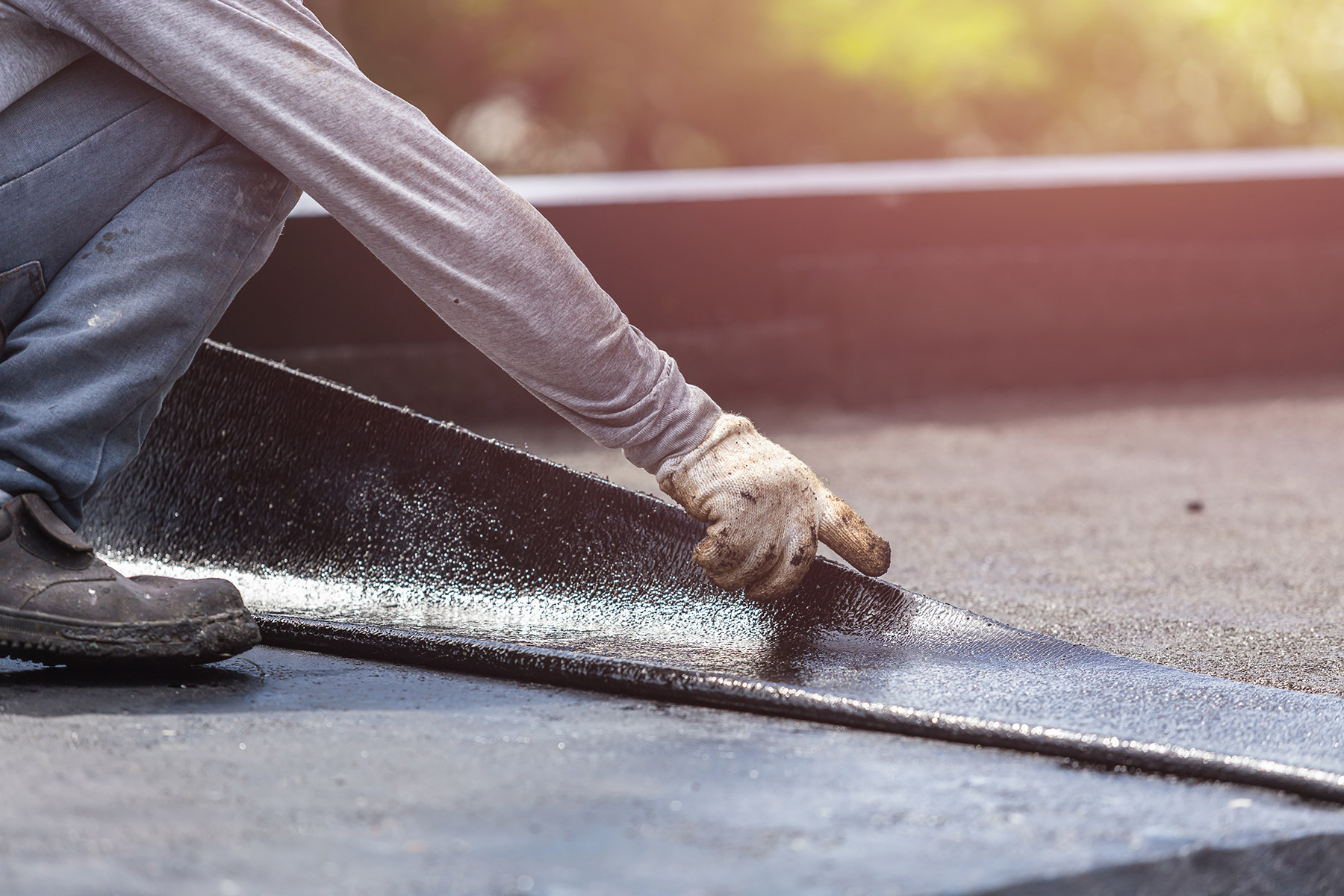
Stadium & Arena Roofing for Akron commercial properties
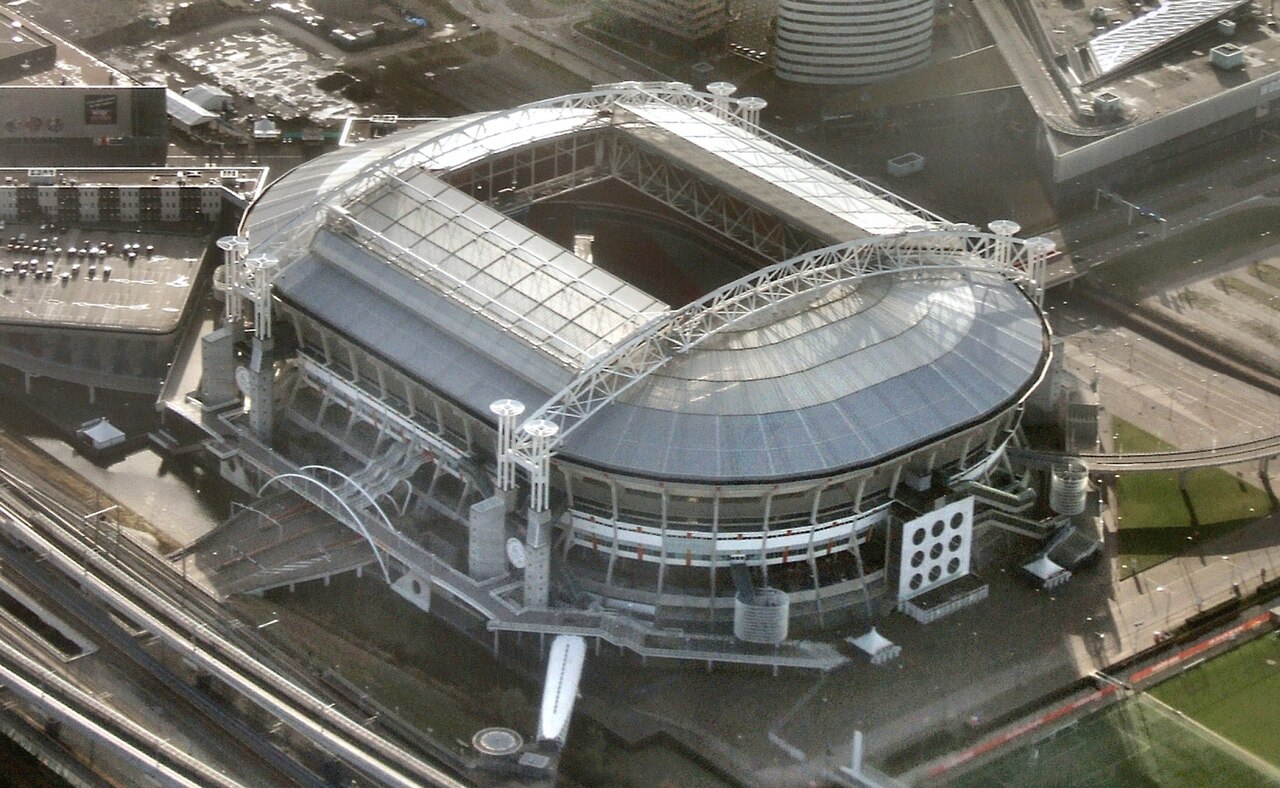
Stadium and arena roofing in Akron is a specialty, and the qualification gap between a contractor who says they do large commercial roofing and one who has actually managed event-calendar phasing, long-span structural engineering, security credentialing, and occupied-facility protocols on a venue of comparable scale is not visible in a bid document. It shows up in references — and it shows up in how the first pre-construction meeting goes. Ask your bidders for the last three stadium or arena projects they completed. Ask for the name of the facility manager. Then call that operating reality.
The pre-construction process for a qualified stadium roofing contractor in Akron looks different from a standard commercial project. A legitimate stadium contractor conducts a pre-bid walkover with the facility's structural engineer present, reviews the booking calendar before submitting a schedule, identifies every life-safety system interface on the roof plan, and submits a security credentialing lead time as part of the proposal. If a bidder gives you a proposal without addressing any of these items, they haven't done this work before — or they skipped the pre-bid walkover and are bidding from memory.
Manufacturer certification is a minimum qualification bar for stadium roofing in Akron. Most major membrane manufacturers — Carlisle, Firestone, GAF, Johns Manville — require contractor certification to install systems eligible for NDL warranty coverage on large assembly-occupancy buildings. An uncertified contractor cannot provide NDL warranty coverage regardless of what their proposal states. Verify the certification directly with the manufacturer before awarding a stadium roofing contract. We are certified applicators for the major membrane systems specified on large-venue projects throughout OH.
How we keep Stadium & Arena Roofing practical
Before pricing Stadium & Arena Roofing, we confirm the roof areas involved, where water is moving, how crews can access the roof, and which assumptions could change the budget after closer inspection. That keeps the recommendation tied to the building instead of a broad square-foot number.
For Stadium & Arena Roofing, we also separate immediate stabilization from long-term planning. Temporary dry-in, targeted repair, maintenance, coating, recover, and replacement can all be valid, but they should not be blended into one vague scope.
Stadium & Arena Roofing properties need roof work that respects the people and operations below the roof. Entrances, parking, loading, patient areas, tenants, inventory, mechanical systems, and security procedures can all affect the work plan before materials are ordered.
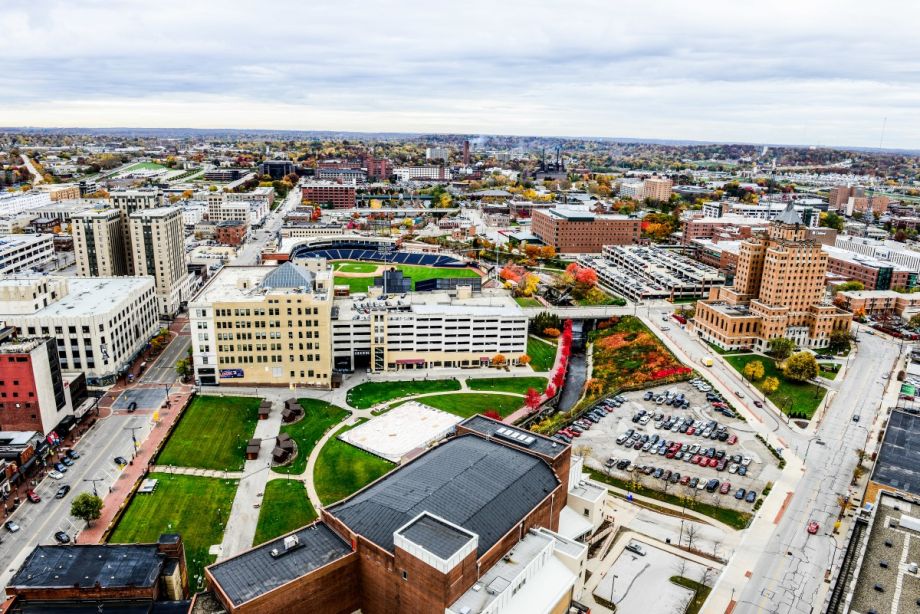
Access for Stadium & Arena Roofing is reviewed early because it can change the whole project. Downtown Akron, medical campus buildings, university-area properties, retail centers, warehouses, and industrial facilities each create different rules for staging, lift use, parking, tenant notifications, safety zones, and after-hours work.
For Stadium & Arena Roofing, weather is treated as a project constraint, not background information. Snow, freeze-thaw movement, hail, heavy rain, summer storms, and cold-weather close-in affect how much roof can be opened, how materials are stored, and when temporary protection has to be installed before the next work step.
For Stadium & Arena Roofing, budget conversations stay more useful when the drivers are named. Wet insulation, deck repair, tapered insulation, drains, scuppers, coping, wall flashing, rooftop equipment, fall protection, material staging, disposal, and occupied-building sequencing can change cost and timing more than the roof label itself.
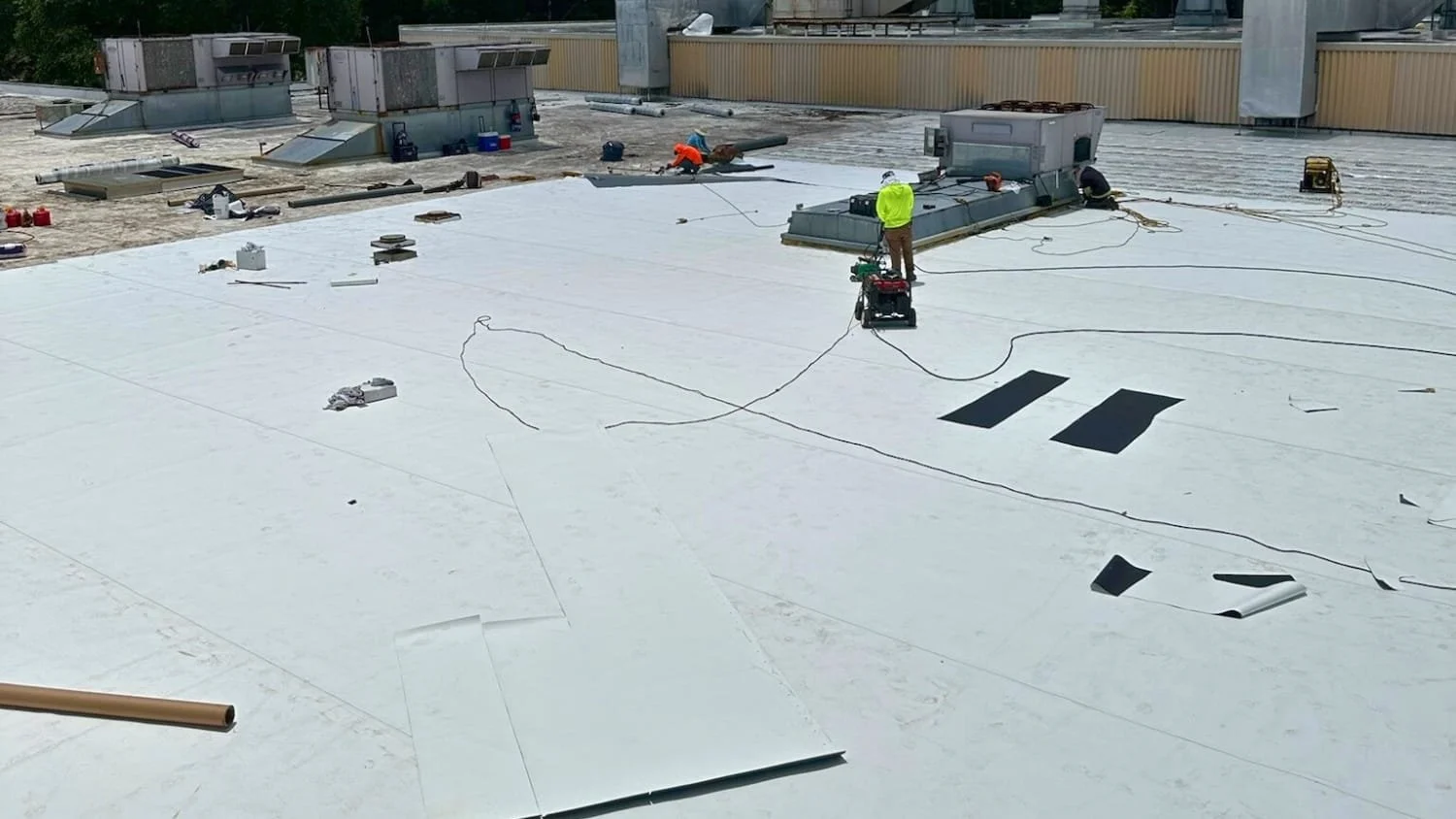
Field review for Stadium & Arena Roofing has to respect what the roof is connected to. Rooftop units, condensate lines, exhaust fans, grease containment, skylights, tenant penetrations, parapet walls, expansion joints, and older repair patches can all change where water travels and where a permanent repair has to land.
For Stadium & Arena Roofing, scheduling is part of the technical scope. A roof plan that ignores loading access, tenant entrances, parking, material deliveries, noise, odor, security, and business hours can look acceptable on paper while creating unnecessary disruption once crews arrive. We keep those constraints visible before the work starts.
The Stadium & Arena Roofing roof record also calls out unknowns, because hidden moisture, concealed deck damage, blocked drains, and undocumented prior repairs can change the correct next step.
The Stadium & Arena Roofing closeout record matters after the work is done. We keep notes, photo locations, access constraints, completed repair areas, and remaining risk items connected to the roof area so owners can use the file for follow-up maintenance, budget planning, tenant communication, procurement review, or the next capital cycle.
Stadium & Arena Roofing — Contractor Selection Questions
What references should you require from a stadium roofing bidder?
Require references from the last three stadium, arena, or large assembly-occupancy venue re-roofing projects the contractor completed — specifically naming the facility, the facility manager or director of operations, and the contact phone number. Call the reference directly and ask specifically: did the contractor meet every event-protection milestone, did any event date get affected by the roofing work, and would you hire this contractor again. Those three questions will tell you what you need to know.
What should a stadium roofing proposal include that a standard commercial proposal doesn't?
A qualified stadium roofing proposal should include: an event-calendar-based phase schedule with named event-protection milestones, a structural deck assessment confirming deck type and pull-out test results, manufacturer certification documentation for the proposed system, a security credentialing lead time and procedure, a life-safety system interface plan identifying all systems affected and how they'll be managed, and a certificate of insurance showing the required limits with the venue entities named as additional insureds. If a proposal doesn't include these items, it's a standard commercial proposal — not a stadium proposal.
How do you verify a contractor's manufacturer certification?
Every major membrane manufacturer maintains a contractor certification database accessible on their website or by calling their commercial roofing division. Verify the certification directly — don't rely on the contractor's claim in a proposal document. Confirm that the certification is current (not expired), covers the specific product system being proposed, and includes the certification level required for NDL warranty on large assembly-occupancy buildings (some manufacturers have tiered certification levels with different warranty eligibility).
How do you evaluate competing bids on a complex stadium project?
Evaluate bids on scope completeness first, price second. A bid that's 15% below the next competitor but doesn't include the event-calendar phasing, manufacturer certification, or required insurance limits isn't a lower-cost option — it's an incomplete option that will cost more when those gaps get filled after award. Score each bid against a defined checklist of required deliverables before comparing prices. The lowest compliant bid is the right comparison.
What's the right project size threshold to require a stadium roofing specialist?
Any roofing project on an assembly-occupancy building that holds more than 500 people warrants stadium-specialist qualification requirements. Below 500-occupancy assembly buildings — smaller performing arts venues, school gymnasiums, community auditoriums — can be approached as standard commercial work with attention to scheduling and life-safety interfaces. Above 500 occupancy, the security, scheduling, structural, and insurance complexity justifies requiring verifiable large-venue experience.